Table of Contents
ToggleIntroduction
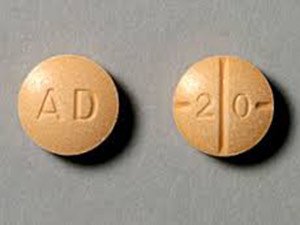
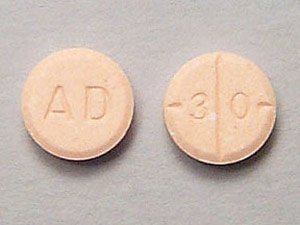
Adderall 20mg is a prescription stimulant medication commonly used to treat Attention-Deficit/Hyperactivity Disorder (ADHD) and narcolepsy. It contains a combination of amphetamine and dextroamphetamine, two central nervous system stimulants that help improve attention, focus, concentration, and wakefulness.
The 20mg dosage is considered a moderate-to-higher strength and may be prescribed for patients who need stronger symptom control than lower doses provide. Healthcare providers carefully determine the correct dosage based on factors such as age, medical history, symptom severity, and response to treatment.
Adderall is one of the most frequently prescribed medications for ADHD. Many patients experience improvements in productivity, concentration, impulse control, and daily functioning when taking the medication correctly under medical supervision. However, because it is a controlled substance with abuse potential, it should only be used as prescribed by a qualified healthcare professional.
This article explains how Adderall 20mg works, its uses, dosage guidelines, side effects, risks, precautions, and important safety information.
What Is Adderall 20mg?
Adderall 20mg belongs to a class of drugs called amphetamines. It works by increasing the activity of dopamine and norepinephrine in the brain. These neurotransmitters are involved in focus, alertness, motivation, and behavioral control.
Adderall is available in two main forms:
- Immediate-release (IR)
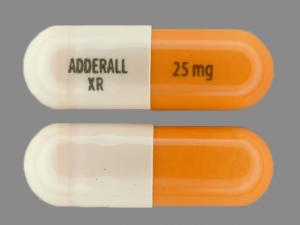
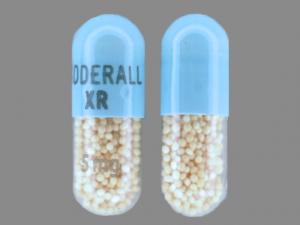
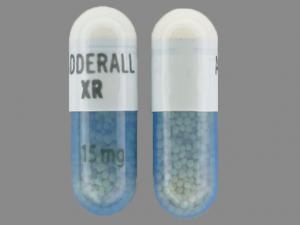
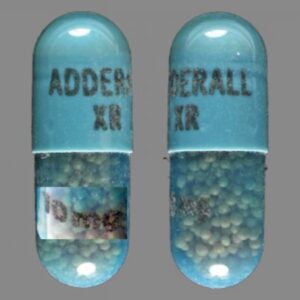
- Extended-release (XR)
The immediate-release version generally lasts around 4 to 6 hours, while the extended-release formulation may provide symptom relief for up to 12 hours.
The 20mg dosage may be prescribed for:
- Moderate to severe ADHD symptoms
- Adults requiring stronger symptom management
- Patients increasing from lower doses
- Long-term ADHD treatment
- Narcolepsy management
Doctors customize treatment plans based on individual patient needs.
How Adderall 20mg Works
People with ADHD often experience differences in brain neurotransmitter activity involving dopamine and norepinephrine. These differences may affect attention, impulse control, and organization.
Adderall increases the release of dopamine and norepinephrine while slowing their reabsorption. This enhances communication between nerve cells and improves mental performance.
As a result, patients may experience:
- Better concentration
- Improved focus
- Increased alertness
- Reduced impulsivity
- Greater task completion
- Improved organization skills
For patients with narcolepsy, Adderall helps reduce excessive daytime sleepiness and improves wakefulness.
Medical Uses of Adderall 20mg
ADHD Treatment
The primary use of Adderall 20mg is managing ADHD symptoms.
Common ADHD Symptoms
- Difficulty focusing
- Hyperactivity
- Restlessness
- Impulsiveness
- Forgetfulness
- Disorganization
- Trouble completing tasks
Adderall may help patients better manage daily responsibilities at school, work, and home.
Benefits for ADHD Patients
Patients using Adderall under medical supervision may notice:
- Improved productivity
- Better academic performance
- Enhanced concentration
- Improved memory retention
- Better emotional regulation
- Greater ability to complete tasks
Treatment outcomes vary depending on the individual.
Narcolepsy Treatment
Narcolepsy is a neurological disorder that causes excessive daytime fatigue and sudden sleep episodes.
Adderall stimulates the central nervous system to help patients stay awake and alert throughout the day.
Dosage Information
Adderall dosage should always be determined by a healthcare provider.
The 20mg strength may be used as:
- A maintenance dose
- An increased dose after lower strengths
- A moderate-to-higher treatment level
- A dosage adjustment for adults
Immediate-Release Dosing
Immediate-release tablets are often taken:
- Once daily
- Twice daily
- Early in the morning
- Occasionally early afternoon
Late evening doses are generally avoided because they can interfere with sleep.
How to Take Adderall 20mg
Patients should carefully follow all prescription instructions.
General Guidelines
- Take exactly as prescribed
- Swallow tablets with water
- Take doses consistently
- Avoid taking extra doses
- Do not crush or misuse the medication
- Never share prescription medication
Doctors may occasionally adjust dosage depending on effectiveness and side effects.
Common Side Effects
Adderall may cause side effects, especially when treatment begins or dosages increase.
Common Side Effects Include
- Dry mouth
- Loss of appetite
- Insomnia
- Nervousness
- Anxiety
- Headache
- Increased heart rate
- Stomach discomfort
- Irritability
- Weight loss
Many mild side effects improve as the body adjusts to treatment.
Serious Side Effects
Serious side effects are less common but may require emergency medical attention.
Serious Symptoms Include
- Chest pain
- Shortness of breath
- Hallucinations
- Severe anxiety
- Aggressive behavior
- Seizures
- Rapid heartbeat
- Fainting
- High blood pressure
- Vision changes
Patients should seek immediate medical care if serious reactions occur.
Warnings and Precautions
Adderall is not suitable for everyone.
Heart-Related Risks
Stimulant medications may increase blood pressure and heart rate. Patients with heart disease require careful monitoring.
Mental Health Conditions
Adderall may worsen psychiatric conditions such as:
- Anxiety disorders
- Bipolar disorder
- Depression
- Psychosis
Doctors typically review mental health history before prescribing stimulants.
Risk of Dependence
Adderall is a controlled substance due to its abuse and addiction potential.
Misusing Adderall can lead to:
- Dependence
- Sleep deprivation
- Heart complications
- Anxiety
- Paranoia
- Dangerous stimulant effects
Patients should only use the medication under medical supervision.
Drug Interactions
Adderall may interact with certain medications and supplements.
Possible Interactions Include
- Antidepressants
- MAO inhibitors
- Blood pressure medications
- Cold medicines
- Antacids
- Seizure medications
Drug interactions may increase side effects or reduce treatment effectiveness.
Patients should always inform healthcare providers about all medications they take.
Food and Lifestyle Considerations
Caffeine Consumption
Combining large amounts of caffeine with Adderall may increase stimulant side effects such as:
- Nervousness
- Anxiety
- Rapid heartbeat
- Sleep problems
Moderate caffeine intake is usually recommended.
Sleep Habits
Healthy sleep routines may help reduce insomnia and improve treatment effectiveness.
Nutrition
Some patients experience appetite suppression. Maintaining balanced meals and monitoring weight is important.
Adderall 20mg in Children
Doctors may prescribe Adderall to children diagnosed with ADHD. Pediatric treatment requires close supervision.
Healthcare providers may monitor:
- Growth
- Weight
- Appetite
- Mood changes
- Sleep quality
- School performance
Parents should report concerning symptoms or side effects promptly.
Adderall 20mg in Adults
Adults with ADHD may struggle with focus, organization, and productivity.
Adult ADHD Symptoms
- Difficulty concentrating
- Poor time management
- Restlessness
- Forgetfulness
- Trouble finishing tasks
- Disorganization
Adderall may help adults improve work performance and daily functioning.
Pregnancy and Breastfeeding
Patients who are pregnant, planning pregnancy, or breastfeeding should discuss treatment risks and benefits with their healthcare provider.
Stimulant medications may affect fetal development or pass into breast milk.
Signs of Overdose
Taking too much Adderall can be dangerous and may require emergency medical treatment.
Overdose Symptoms
- Severe agitation
- Panic
- Rapid breathing
- Chest pain
- High fever
- Tremors
- Hallucinations
- Seizures
- Irregular heartbeat
- Loss of consciousness
Emergency medical services should be contacted immediately if overdose symptoms occur.
Storage Instructions
Proper storage helps maintain medication safety and effectiveness.
Storage Recommendations
- Store at room temperature
- Protect from moisture and heat
- Keep away from direct sunlight
- Store securely
- Keep out of reach of children
Unused medication should be disposed of properly according to pharmacy guidelines.
Importance of Medical Monitoring
Regular medical supervision is essential during Adderall treatment.
Healthcare providers may monitor:
- Blood pressure
- Heart rate
- Weight
- Sleep patterns
- Mental health
- Treatment effectiveness
Patients should never stop or change doses without medical advice.
Alternatives to Adderall
Some individuals may require alternative ADHD treatments.
Other Stimulant Medications
Alternative stimulants include:
- Methylphenidate-based medications
- Lisdexamfetamine
- Dexmethylphenidate
Non-Stimulant Options
Doctors may prescribe non-stimulant medications for certain patients.
Behavioral Support
Lifestyle and behavioral approaches may help improve symptom management:
- Behavioral therapy
- Counseling
- Structured schedules
- Exercise
- Sleep management
- Organizational training
Many patients benefit from combining medication with behavioral strategies.
Frequently Asked Questions
Is Adderall 20mg addictive?
Adderall has the potential for dependence and misuse, especially if used improperly. Taking it exactly as prescribed helps reduce risk.
How long does Adderall 20mg last?
Immediate-release forms generally last 4 to 6 hours, while extended-release forms may last up to 12 hours.
Can Adderall improve focus?
Yes. Adderall may improve focus and concentration in people diagnosed with ADHD.
Can Adderall cause insomnia?
Yes. Taking it late in the day may interfere with sleep.
Is Adderall safe for long-term use?
Some patients use Adderall long-term under medical supervision with regular health monitoring.
Conclusion
Adderall 20mg is a prescription stimulant medication widely used to treat ADHD and narcolepsy. By increasing dopamine and norepinephrine activity in the brain, it may improve concentration, attention span, organization, and wakefulness.
Although many patients benefit from Adderall treatment, the medication also carries risks including side effects, dependence potential, and misuse concerns. Safe use requires careful medical supervision, proper dosage management, and regular monitoring.
Anyone considering Adderall treatment should consult a licensed healthcare professional to determine whether the medication is appropriate for their individual health needs and medical condition.


Reviews
There are no reviews yet.