Available Options
| Thumbnail | QUANTITY | Price | Quantity | |
|---|---|---|---|---|
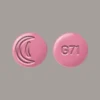 | 120 TABS | £364.00 | ||
| 180 TABS | £513.00 | ||
| 240 TABS | £669.00 | ||
| 300 TABS | £804.00 | ||
| 60 TABS | £241.00 |
Buy Oxymorphone ER 5mg in UK Online
Oxymorphone ER 5mg refers to an extended-release formulation containing 5 milligrams of oxymorphone, a potent opioid analgesic. Opioid medicines can have an important role in carefully selected patients with significant pain, but they also carry serious risks. These include respiratory depression, overdose, tolerance, physical dependence and addiction.
The “ER” designation generally refers to an extended-release or prolonged-release formulation designed to release the medicine over a longer period than an immediate-release product. The exact formulation, licensing status and prescribing arrangements can vary between countries and products.
What Is Oxymorphone ER 5mg?
Oxymorphone ER 5mg is an opioid medicine. Opioids act on receptors in the central nervous system and other parts of the body, changing the way pain signals are processed and perceived.
A product described as Oxymorphone ER 5mg contains 5mg of oxymorphone in an extended-release formulation. However, the strength written on a medicine pack does not by itself determine whether the medicine is appropriate for a particular person.
Healthcare professionals consider many factors before prescribing a strong opioid, including:
- The cause and severity of pain
- Previous exposure to opioid medicines
- Age and general health
- Other medicines being taken
- Liver and kidney function
- Breathing and respiratory health
- History of substance-use problems
- Previous adverse reactions to opioids
A 5mg strength should therefore not be considered automatically suitable for a person who is new to opioid treatment or for someone with a particular type of pain.
Understanding Extended-Release Opioid Medicines
Extended-release medicines are formulated differently from immediate-release medicines. They are intended to deliver the active medicine over a longer period.
This distinction is important because an extended-release opioid must be used according to the instructions provided for that specific product. Altering, crushing, chewing or otherwise changing an extended-release medicine can affect how the medicine is released and may increase the risk of serious harm.
For opioid medicines generally, the NHS explains that some formulations are long-acting or prolonged-release and work differently from standard immediate-release products. Patients should always follow the instructions supplied with their own medicine and ask a doctor or pharmacist if they are unsure.
What Is Oxymorphone ER 5mg Used For?
Oxymorphone ER 5mg is an opioid analgesic associated with the management of significant pain in appropriate clinical circumstances.
Pain treatment is individual. The appropriate approach depends on factors such as:
- Whether pain is acute or persistent
- The underlying cause
- The severity and effect on daily life
- Previous treatments
- Other health conditions
- The potential benefits and risks of opioid treatment
Opioids are not appropriate for every type of pain, and healthcare professionals may consider non-opioid medicines, physical approaches, psychological support or treatment of the underlying cause where appropriate.
How Does Oxymorphone ER 5mg Work?
Oxymorphone ER 5mg acts on opioid receptors, particularly in the central nervous system. These receptors play a role in how the body experiences and responds to pain.
However, opioid receptors are involved in more than pain signalling. As a result, opioid medicines can also affect:
- Alertness
- Breathing
- Gastrointestinal function
- Coordination
- Mood and perception
These additional effects explain why opioid medicines require careful prescribing and monitoring.
Possible Side Effects of Oxymorphone ER 5mg
Like other opioid medicines, oxymorphone can cause side effects. Individual experiences vary depending on factors such as the person, the formulation, other medicines and overall health.
Possible opioid-related side effects include:
- Drowsiness
- Dizziness
- Nausea
- Vomiting
- Constipation
- Dry mouth
- Headache
- Sweating
- Reduced alertness
- Difficulty concentrating
Some people may experience side effects more strongly than others.
Constipation is a particularly common issue with opioid medicines and should be discussed with a healthcare professional rather than simply ignored.
Serious Risks: Respiratory Depression
One of the most serious risks associated with potent opioid medicines is respiratory depression. This means that breathing can become dangerously slow, shallow or ineffective.
Warning signs of a potentially serious opioid reaction can include:
- Unusually slow or shallow breathing
- Extreme sleepiness
- Difficulty waking the person
- Confusion or loss of consciousness
A suspected overdose or severe breathing problem is a medical emergency.
The risk of dangerous sedation and respiratory depression can increase when opioids are combined with other substances that depress the central nervous system.
Alcohol and Sedating Medicines
Combining an opioid with alcohol or other sedating medicines can significantly increase the risk of harm.
Particular caution is needed with combinations involving:
- Alcohol
- Benzodiazepines
- Other opioid medicines
- Some sleep medicines
- Other medicines that cause sedation
The NHS warns in its opioid guidance that alcohol can increase sleepiness and the risk of serious side effects with strong opioid medicines.
Patients should tell their doctor or pharmacist about all medicines, supplements and substances they use.
Tolerance and Physical Dependence
Regular opioid use can result in tolerance and physical dependence.
Tolerance refers to changes in the body’s response to a medicine over time. Physical dependence means the body has adapted to the continued presence of the medicine.
Neither term should be confused automatically with addiction, although opioids can also carry a risk of addiction and problematic use.
A patient should never respond to reduced pain relief by independently increasing their dose. Any concerns about pain control or changes in how the medicine is working should be discussed with the prescribing healthcare professional.
Opioid Addiction and Misuse
Oxymorphone ER 5mg is a potent opioid and has the potential for misuse and addiction.
The safest approach is to:
- Take the medicine only as prescribed
- Follow the exact instructions for the specific formulation
- Never take another person’s medicine
- Never share prescribed opioids
- Store controlled medicines securely
- Speak with a healthcare professional if there are concerns about dependence or misuse
People with a current or previous history of substance-use problems may require additional assessment and monitoring.
Do Not Stop Regular Opioid Treatment Suddenly
A person who has been taking an opioid regularly should speak to a healthcare professional before stopping or significantly changing treatment.
Abrupt discontinuation may cause withdrawal symptoms. These can include:
- Restlessness
- Anxiety
- Sweating
- Muscle aches
- Sleep problems
- Nausea
- Gastrointestinal symptoms
The safest approach depends on the individual’s treatment history, current dose, duration of use and other medical circumstances.
Oxymorphone ER 5mg and Driving
Opioid medicines can affect:
- Alertness
- Reaction time
- Coordination
- Concentration
- Judgement
A person who feels sleepy, dizzy, confused or otherwise impaired should not drive, operate machinery or carry out potentially dangerous activities.
Patients should discuss driving with their healthcare professional and follow applicable UK laws and medical advice.
Drug Interactions
Drug interactions are an important consideration with strong opioid medicines.
Patients should tell a doctor or pharmacist about all:
- Prescription medicines
- Over-the-counter medicines
- Herbal products
- Vitamins and supplements
- Other pain medicines
- Medicines for anxiety or sleep
- Alcohol or other substances
The NHS notes that strong opioids can interact with other medicines and that patients should inform their healthcare professional about all medicines, herbal remedies, vitamins and supplements they use. (nhs.uk)
The exact interaction risks depend on the individual medicines involved.
Who May Need Additional Medical Assessment?
Strong opioid treatment may require particular caution in people with certain medical conditions.
A healthcare professional may need to carefully assess individuals with:
- Breathing or lung problems
- Sleep-related breathing disorders
- Liver or kidney problems
- Certain gastrointestinal conditions
- A history of substance-use disorder
- Previous opioid-related adverse reactions
- Advanced age or increased sensitivity to sedative medicines
Pregnancy and breastfeeding are also important situations in which opioid treatment should be discussed with an appropriate healthcare professional.
Oxymorphone ER 5mg and UK Controlled-Drug Law
Oxymorphone ER 5mg appears on the UK government’s controlled-drugs list as a Class A drug and Schedule 2 controlled drug.
Controlled medicines are subject to specific legal requirements relating to prescribing, possession, supply and other activities.
This makes it especially important to obtain and use controlled medicines only through legitimate and lawful healthcare arrangements.
Availability and Licensing in the UK
The existence of a medicine or formulation in another country does not automatically mean that the same product is routinely licensed, marketed or prescribed in the UK.
For up-to-date information about UK medicine licences, patient information leaflets and product characteristics, the MHRA provides a medicines product-information service.
If a clinician is considering a medicine or formulation that is not routinely available as a licensed UK product, prescribing and supply may involve specific professional and regulatory considerations. Patients should discuss their individual situation directly with their clinician or pharmacist.
Risks of Unregulated or Counterfeit Medicines
Obtaining potent opioids from unregulated sources can create serious health and legal risks.
A product obtained outside legitimate medical and pharmacy systems may:
- Contain a different medicine
- Contain an incorrect strength
- Be counterfeit
- Contain unexpected substances
- Have been stored improperly
- Lack reliable quality controls
With potent opioids, uncertainty about the contents or strength of a product can substantially increase the risk of poisoning or overdose.
Prescription and controlled medicines should therefore only be obtained through lawful, regulated channels.
Travelling With Oxymorphone
Travelling internationally with a controlled medicine requires planning.
UK government guidance states that travellers carrying controlled medicines should be able to show that the medicine was prescribed for them and should check the rules for their destination. The government also sets limits and requirements relating to bringing controlled medicines into the UK.
If travelling with a controlled medicine, it is sensible to check:
- Whether the medicine is controlled in the destination country
- Whether supporting medical documentation is required
- How much medicine may legally be carried
- Airline and border requirements
- Any relevant import permits
For current official guidance:
Taking controlled medicines into or out of the UK
Safe Storage and Disposal
Because oxymorphone is a controlled opioid, secure storage is important.
Medicines should be kept away from:
- Children
- Pets
- Visitors
- Anyone for whom the medicine was not prescribed
Unused or unwanted controlled medicines should not simply be passed to another person. A pharmacist can provide advice about appropriate disposal.
Frequently Asked Questions About Oxymorphone ER 5mg
What does ER mean in Oxymorphone ER 5mg?
ER generally means extended release. The medicine is formulated to release the active ingredient over a longer period than an immediate-release product. Always follow the instructions for the exact product supplied.
Is Oxymorphone a controlled drug in the UK?
Yes. Oxymorphone is listed by the UK government as a Class A, Schedule 2 controlled drug.
Can Oxymorphone ER 5mg cause dependence?
Yes. Like other opioid medicines, regular use can lead to physical dependence, and opioids also carry a risk of addiction.
Can Oxymorphone ER 5mg be mixed with alcohol?
Alcohol can increase sedation and may increase the risk of serious opioid-related side effects, including dangerous breathing problems. Avoid combining them unless a qualified healthcare professional has specifically advised otherwise.
Can I change the dose myself if my pain continues?
No. Do not independently increase, decrease or otherwise change an opioid dose. Contact the prescribing healthcare professional if pain is not adequately controlled or side effects become problematic.
Can extended-release opioid medicines be altered?
Extended-release formulations are designed to release medicine in a particular way. Altering the product can affect that release and may be dangerous. Follow the instructions supplied with the exact medicine and ask a pharmacist or doctor if unsure.
Can I stop taking Oxymorphone ER 5mg suddenly?
If you have been taking an opioid regularly, stopping suddenly may cause withdrawal symptoms. Speak to a healthcare professional about how treatment should be changed or discontinued.
Conclusion
Oxymorphone ER 5mg is an extended-release formulation of a potent opioid medicine. Opioids may have a role in carefully selected patients with significant pain, but they also carry substantial risks involving sedation, respiratory depression, overdose, tolerance, physical dependence and addiction.
In the UK, oxymorphone is a Class A, Schedule 2 controlled drug, making lawful prescribing, possession and supply particularly important.
Anyone prescribed an opioid should follow the instructions for their specific medicine, avoid independently changing the dose, be cautious about alcohol and other sedating substances, and seek professional advice before stopping regular treatment.
| QUANTITY | 60 TABS, 120 TABS, 180 TABS, 240 TABS, 300 TABS |
|---|
Be the first to review “Oxymorphone ER 5mg”
Related products
Buy Oxymorphone Online

Buy Oxymorphone Online

Buy Oxymorphone Online

Buy Oxymorphone Online
Buy Oxymorphone Online

Buy Oxymorphone Online
Buy Oxymorphone Online

Buy Oxymorphone Online
Reviews
There are no reviews yet.