Available Options
| Thumbnail | QUANTITY | Price | Quantity | |
|---|---|---|---|---|
 | 120 TABS | £365.00 | ||
| 180 TABS | £514.00 | ||
| 240 TABS | £670.00 | ||
| 300 TABS | £805.00 | ||
| 60 TABS | £241.00 |
Buy Oxymorphone 10mg in UK Online
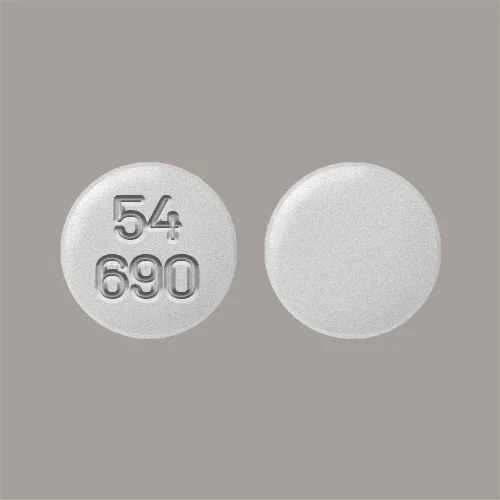
Oxymorphone 10mg is a prescription opioid medicine used in certain medical situations for the management of severe pain. Opioid medicines can produce powerful pain-relieving effects, but they also carry serious risks, including respiratory depression, overdose, tolerance, dependence and addiction.
What Is Oxymorphone 10mg?
Oxymorphone is an opioid analgesic, meaning that it acts on opioid receptors in the body to help reduce the perception of pain. A product labelled Oxymorphone 10mg contains 10 milligrams of the active ingredient, although the specific formulation may differ.
The appropriate treatment depends on factors such as:
- The type and severity of pain
- Previous opioid exposure
- Age and general health
- Other medicines being taken
- Respiratory and cardiovascular health
- Risk of adverse effects
- History of substance-use problems
A 10mg strength is not appropriate for everyone, and patients should use opioid medicines only as directed by a qualified healthcare professional.
How Does Oxymorphone 10mg Work?
Oxymorphone works by interacting with opioid receptors in the central nervous system. This changes how pain signals are processed and perceived.
However, opioid effects are not limited to pain relief. They can also cause:
- Drowsiness
- Sedation
- Dizziness
- Nausea
- Constipation
- Slowed breathing
Because of these effects, medical supervision and careful prescribing are important.
Possible Side Effects of Oxymorphone 10mg
Like other opioid medicines, oxymorphone may cause side effects. Possible effects include:
- Drowsiness
- Dizziness
- Nausea or vomiting
- Constipation
- Headache
- Dry mouth
- Sweating
- Reduced alertness
Some side effects can be serious. Slow, shallow or difficult breathing, extreme sleepiness, or inability to wake normally may indicate a medical emergency.
Respiratory Depression and Overdose
One of the most serious risks associated with opioids is respiratory depression, where breathing becomes dangerously slow or ineffective.
The risk may increase when opioids are combined with other substances that depress the central nervous system, including:
- Alcohol
- Benzodiazepines
- Other sedatives
- Certain sleep medicines
- Other opioids
Combining these substances without medical supervision can be dangerous.
Tolerance, Dependence and Addiction
With continued opioid use, some patients may develop tolerance, meaning the effects of a particular dose can change over time.
Physical dependence can also develop. This means that abruptly stopping an opioid after regular use may cause withdrawal symptoms.
Dependence and addiction are not identical, but both are important concerns with opioid medicines. Patients should not increase their dose independently or take oxymorphone more frequently than prescribed.
Do Not Change or Stop Treatment Suddenly
A person who has been taking an opioid regularly should speak with their healthcare professional before stopping treatment.
Abrupt discontinuation may lead to withdrawal symptoms, which can include:
- Restlessness
- Anxiety
- Sweating
- Muscle aches
- Sleep problems
- Nausea
- Other physical symptoms
A healthcare professional can determine the safest approach to changing or discontinuing treatment.
Driving and Daily Activities
Oxymorphone can impair alertness, coordination and reaction time.
Do not drive, operate machinery or perform hazardous activities if you experience:
- Drowsiness
- Dizziness
- Confusion
- Impaired concentration
- Reduced coordination
Alcohol and other sedating substances can further increase impairment.
Drug Interactions
Before using any opioid medicine, patients should inform their doctor or pharmacist about all medicines and substances they use, including:
- Prescription medicines
- Over-the-counter medicines
- Benzodiazepines
- Sleep medicines
- Other pain medicines
- Alcohol
- Herbal products and supplements
Some combinations can significantly increase the risk of dangerous sedation or breathing problems.
Important Safety Precautions
Oxymorphone may not be suitable for everyone. Additional caution may be necessary for people with:
- Breathing problems
- Sleep-related breathing disorders
- Certain liver or kidney problems
- A history of substance-use disorder
- Certain gastrointestinal conditions
- Advanced age or increased sensitivity to sedative medicines
A healthcare professional should review the individual’s complete medical history.
Frequently Asked Questions
What is Oxymorphone 10mg?
Oxymorphone 10mg is a strength of an opioid pain medicine containing 10 milligrams of oxymorphone.
Can Oxymorphone cause dependence?
Yes. Regular opioid use can lead to tolerance and physical dependence, and opioids also carry a risk of addiction.
Can Oxymorphone be mixed with alcohol?
Mixing opioid medicines with alcohol can increase sedation and the risk of dangerous breathing problems.
Can I increase my dose if my pain continues?
No. Do not increase or change your dose without speaking to the prescribing healthcare professional.
Can I stop Oxymorphone suddenly?
If you have been taking it regularly, suddenly stopping may cause withdrawal symptoms. Consult a healthcare professional before changing or stopping treatment.
Conclusion
Oxymorphone 10mg is a potent opioid medicine associated with the management of severe pain in appropriate clinical circumstances. While opioids can provide pain relief, they also carry significant risks, particularly respiratory depression, overdose, tolerance, physical dependence and addiction.
It should only be used according to professional medical advice. Never change the prescribed dose independently or combine it with alcohol, benzodiazepines, or other sedating substances without medical guidance.
| QUANTITY | 60 TABS, 120 TABS, 180 TABS, 240 TABS, 300 TABS |
|---|
Be the first to review “Oxymorphone 10mg”
Related products

Buy Oxymorphone Online

Buy Oxymorphone Online
Buy Oxymorphone Online
Buy Oxymorphone Online

Buy Oxymorphone Online
Buy Oxymorphone Online

Buy Oxymorphone Online

Buy Oxymorphone Online
Reviews
There are no reviews yet.