
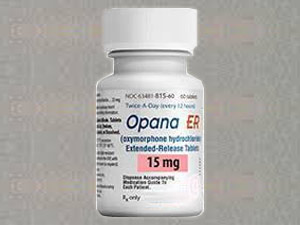

Available Options
| Thumbnail | QUANTITY | Price | Quantity | |
|---|---|---|---|---|
 | 120 TABS | £284.00 | ||
| 180 TABS | £352.00 | ||
| 240 TABS | £389.00 | ||
| 300 TABS | £458.00 | ||
| 60 TABS | £232.00 |
BUY Opana ER 15mg in UK online
Introduction
Opana ER 15mg is a term people search when looking for information about extended-release opioid pain medications and their use in managing severe pain conditions. Opana ER 15mg contains oxymorphone, an opioid analgesic developed for around-the-clock pain management in carefully selected patients. Because opioid medicines carry important risks—including dependence, misuse, and serious side effects—people often search for reliable information before making healthcare decisions.
In the UK, opioid prescribing is approached cautiously and is generally reserved for specific clinical situations under medical supervision. Individuals living with severe or persistent pain may have questions about how opioid medications work, whether they are prescribed in the UK, their risks, side effects, and alternatives.
This guide explains Opana ER 15mg, how extended-release opioid medicines function, key safety information, possible side effects, and important UK considerations.
What Is Opana ER 15mg?
Opana ER is an extended-release formulation of oxymorphone, an opioid pain medicine designed to provide longer-lasting pain control.
“ER” stands for extended release, meaning the medication is formulated to release gradually over time rather than all at once.
Key points:
- Prescription opioid medication
- Extended-release formulation
- Intended for ongoing pain management in selected cases
- Requires medical supervision
- Carries important safety warnings
Extended-release opioid products differ from immediate-release medicines because they are intended to provide longer-duration symptom control.
How Extended-Release Opioid Medications Work
Opioid medications act on receptors in the brain and nervous system involved in pain signaling.
These medicines may:
- Reduce the perception of pain
- Change how pain is processed
- Help improve comfort in selected patients
Extended-release products are designed to deliver medication gradually.
Because of their potency and duration, these medicines require close monitoring.
Common Reasons Opioids May Be Prescribed
Healthcare professionals may consider opioid medicines in carefully selected situations.
Examples can include:
Severe Pain
Some patients experience severe pain that significantly affects daily functioning.
Post-Surgical Situations
Certain procedures may require short-term pain management approaches.
Cancer-Related Pain
Cancer treatment and disease progression may involve significant pain management needs.
Individualized Treatment Plans
Pain treatment varies based on:
- Medical history
- Severity of symptoms
- Risk factors
- Previous treatment response
Understanding Extended-Release Formulations
Extended-release medications differ from standard formulations.
Potential characteristics include:
- Longer duration of effect
- Reduced dosing frequency in some cases
- More consistent medication delivery
These products are intended to be used only according to healthcare instructions.
Important Safety Information
Opioid medications have significant safety considerations.
Potential risks include:
Excessive Sedation
Some users may experience:
- Sleepiness
- Fatigue
- Reduced alertness
Breathing Problems
Serious breathing complications can occur with opioids.
Dependence Risk
Long-term use may lead to physical dependence.
Accidental Overdose
Incorrect use increases risks substantially.
Common Side Effects
Many opioid medications share similar side effects.
Examples include:
Constipation
Digestive slowing commonly occurs.
Drowsiness
Sedation may affect activities requiring attention.
Dizziness
Some individuals experience:
- Lightheadedness
- Balance difficulties
- Fatigue
Nausea
Digestive symptoms can occur.
Dry Mouth
Some people report reduced saliva production.
Serious Side Effects
Urgent medical evaluation may be needed for:
- Difficulty breathing
- Severe allergic reactions
- Extreme drowsiness
- Fainting
- Significant confusion
Serious symptoms should never be ignored.
UK Considerations
In the UK, opioid prescribing practices emphasize careful assessment and risk management.
Healthcare professionals may evaluate:
- Severity of symptoms
- Alternative treatments
- Potential harms and benefits
- Long-term treatment goals
Pain management often involves multiple approaches beyond medication alone.
Alternatives to Long-Term Opioid Treatment
Healthcare providers may consider broader strategies for pain management.
Examples include:
Physical Therapy
Movement-based treatment plans may help some patients.
Exercise Programs
Physical activity may support function and mobility.
Behavioral Approaches
Pain management can include psychological support methods.
Non-Opioid Medications
Alternative medicines may be considered depending on the condition.
Who Requires Extra Caution?
Certain groups may need additional assessment:
Older Adults
Potential concerns include:
- Falls
- Sedation
- Increased medication sensitivity
People With Breathing Conditions
Respiratory issues may increase risk.
Individuals With Substance Misuse History
Closer monitoring may be appropriate.
Drug Interactions
Interactions can increase risks.
Examples include:
- Sedative medications
- Certain sleep medications
- Anti-anxiety drugs
- Alcohol
Combining substances that depress the central nervous system can be dangerous.
Alcohol and Opioids
Alcohol combined with opioid medications may increase:
- Drowsiness
- Reduced breathing
- Accident risk
- Serious complications
This combination can create dangerous effects.
Sleep, Pain, and Daily Health
Pain and sleep are closely connected.
Healthy habits that may support overall wellbeing include:
- Regular sleep schedules
- Stress management
- Appropriate activity
- Consistent healthcare follow-up
Frequently Asked Questions
What is Opana ER 15mg?
Opana ER 15mg is an extended-release opioid medication containing oxymorphone.
What does Opana ER 15mgmean?
ER stands for extended release.
Can opioid medications cause drowsiness?
Yes. Sedation is a common side effect.
Can opioids become habit-forming?
Long-term use may increase dependence risk.
Are opioids prescribed carefully in the UK?
Yes. UK prescribing practices generally involve careful assessment and monitoring.
Final Thoughts
Opana ER 15mg is associated with extended-release opioid pain treatment and carries important safety considerations. Understanding risks, side effects, and the broader context of pain management is essential.
People experiencing ongoing pain should work closely with qualified healthcare professionals to identify appropriate treatment approaches.
| QUANTITY | 60 TABS, 120 TABS, 180 TABS, 240 TABS, 300 TABS |
|---|
Be the first to review “Opana ER 15mg”
Related products
BUY OXYCODONE ONLINE
BUY OXYCODONE ONLINE
BUY OXYCODONE ONLINE
BUY OXYCODONE ONLINE
BUY OXYCODONE ONLINE
BUY OXYCODONE ONLINE
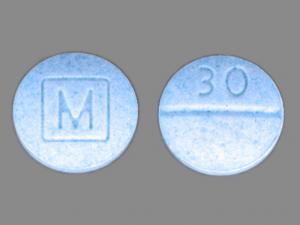
BUY OXYCODONE ONLINE
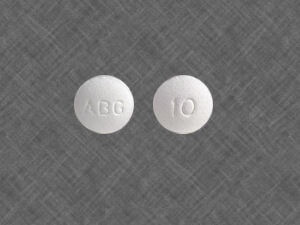
BUY OXYCODONE ONLINE
Reviews
There are no reviews yet.