BUY Oxycodone 60mgb in UK online
Introduction
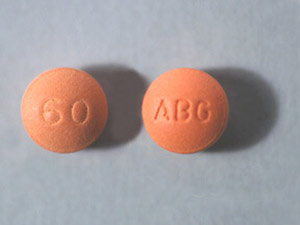
Oxycodone 60mg refers to a high-strength dose of the prescription opioid pain medication oxycodone. It is generally used only in carefully controlled medical settings for patients with severe, persistent pain who have already developed tolerance to opioids.
Because of its potency, this strength is associated with significant safety risks and is only prescribed when a healthcare professional determines that the benefits outweigh the risks.
What Is Oxycodone 60mg?
Oxycodone is a prescription opioid analgesic used for managing moderate to severe pain. It works by acting on opioid receptors in the brain and spinal cord to reduce the perception of pain.
At higher strengths such as 60mg, it is typically reserved for patients with:
- Severe chronic pain conditions
- Cancer-related pain
- Opioid-tolerant patients only
- Palliative or end-of-life care in some cases
Important Safety Warning
A dose like 60mg is considered strong and potentially dangerous in non-tolerant individuals.
Risks increase significantly for:
- People not already using opioids regularly
- Individuals mixing with alcohol or sedatives
- Patients with breathing conditions
- Elderly patients without close monitoring
How Oxycodone Works
Oxycodone binds to opioid receptors in the central nervous system and:
- Blocks pain signals
- Changes pain perception
- Produces sedation and relaxation
However, it also affects essential body functions like breathing, which is why high doses require strict medical supervision.
Common Medical Uses (Controlled Settings Only)
Healthcare professionals may use higher-strength oxycodone such as 60mg in cases involving:
- Severe cancer pain
- End-stage chronic illness pain
- Opioid-tolerant patients requiring continuous pain control
- Palliative care situations
It is not typically used for mild or short-term pain.
Side Effects
At higher doses, side effects may become more pronounced.
Common effects:
- Extreme drowsiness
- Dizziness
- Constipation
- Nausea or vomiting
- Confusion
Serious effects:
- Slowed or difficult breathing
- Loss of consciousness
- Severe sedation
- Low blood pressure
- Risk of overdose
Overdose Risk
Higher doses of opioids increase the risk of overdose, especially when combined with:
- Alcohol
- Sleeping pills
- Anti-anxiety medications (benzodiazepines)
- Other opioids
Overdose signs include:
- Slow or stopped breathing
- Blue lips or fingernails
- Unresponsiveness
- Pinpoint pupils
This is a medical emergency.
Dependence and Tolerance
Long-term opioid use can lead to:
- Physical dependence
- Tolerance (needing higher doses for the same effect)
- Withdrawal symptoms if stopped suddenly
Because of these risks, treatment is always closely managed.
Drug Interactions
Oxycodone may interact dangerously with:
- Sedatives
- Alcohol
- Muscle relaxants
- Sleep medications
- Some antidepressants
These combinations can increase sedation and breathing suppression.
Who Should Avoid High Doses
Extra caution or avoidance is needed in:
- People with breathing disorders (like COPD or sleep apnea)
- Individuals with liver or kidney disease
- Patients with substance use history
- Older adults sensitive to sedation
Safety and Monitoring
Patients prescribed strong opioid doses are typically monitored for:
- Pain control effectiveness
- Side effects
- Signs of dependence
- Breathing function
- Mental status changes
Non-Opioid Alternatives
In many cases, healthcare providers may also consider:
- Physical therapy
- Nerve pain medications
- Anti-inflammatory drugs
- Interventional pain treatments
- Psychological pain management support
Final Thoughts
Oxycodone 60mg is a high-strength opioid dose used only in carefully selected medical situations due to its significant risks. It requires strict medical supervision and is generally reserved for severe or long-term pain in opioid-tolerant patients.
Understanding the risks—especially breathing suppression, dependence, and overdose potential—is essential.
Be the first to review “Oxycodone 60mg”
Related products
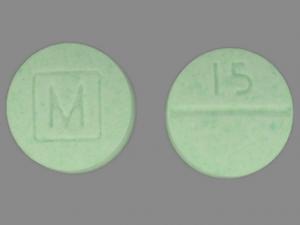
BUY OXYCODONE ONLINE
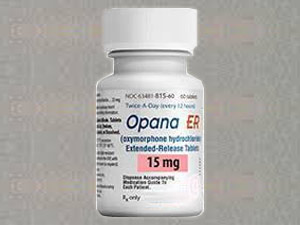
BUY OXYCODONE ONLINE
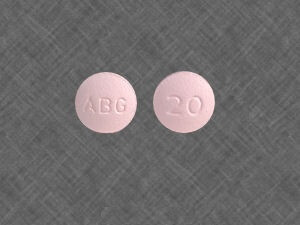
BUY OXYCODONE ONLINE
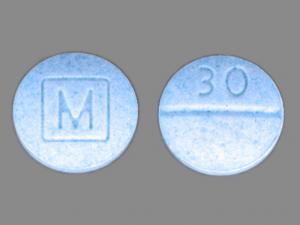
BUY OXYCODONE ONLINE
BUY OXYCODONE ONLINE
BUY OXYCODONE ONLINE
BUY OXYCODONE ONLINE
BUY OXYCODONE ONLINE
Reviews
There are no reviews yet.