

BUY Oxycodone 30mg in UK online
Introduction
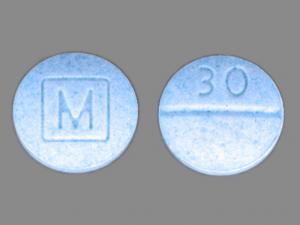
Oxycodone 30mg is a prescription opioid medication used in specific medical situations for the management of moderate to severe pain. It belongs to a group of medicines called opioid analgesics, which work by affecting how the brain and nervous system process pain signals. Healthcare professionals may prescribe opioid medications only after carefully evaluating the patient’s condition, treatment goals, and overall health profile.
People frequently search for Oxycodone 30mg to learn what it is used for, how it works, possible side effects, precautions, and safety concerns. Since opioid medications carry important risks—including dependence, misuse, and breathing complications—accurate educational information is essential.
This guide explains Oxycodone 30mg, including uses, how it works, side effects, safety warnings, precautions, and frequently asked questions.
What Is Oxycodone 30mg?
Oxycodone 30mg is a prescription opioid pain reliever that acts on receptors involved in pain perception.
Oxycodone may be available in different formulations, such as:
- Immediate-release tablets
- Extended-release products
- Generic medications
- Combination formulations
Treatment plans vary according to individual healthcare needs.
Key facts:
- Prescription-only medication
- Opioid analgesic
- Used for selected pain conditions
- Requires careful medical supervision
- Has significant safety warnings
How Oxycodone Works
Pain signals travel through the nervous system and are interpreted by the brain.
Oxycodone binds to opioid receptors and changes how pain information is processed.
Potential effects may include:
- Reduced pain perception
- Increased comfort
- Altered response to painful stimuli
Because opioid receptors influence other body systems, additional effects can occur involving:
- Alertness
- Digestion
- Mood
- Breathing
Common Uses of Oxycodone 30mg
Healthcare professionals may prescribe Oxycodone in carefully selected situations.
Examples include:
Moderate to Severe Pain
Pain severe enough to interfere with everyday activities may require individualized treatment.
Recovery-Related Pain
Some procedures or injuries involve temporary but substantial discomfort.
Certain Long-Term Pain Conditions
Selected patients may receive carefully monitored treatment plans.
Treatment decisions vary based on clinical evaluation.
Factors Considered Before Prescribing
Healthcare providers often review several factors before treatment.
Medical History
Important considerations may include:
- Existing health conditions
- Prior medication use
- Previous pain management history
Respiratory Health
Breathing conditions can affect treatment decisions.
Current Medications
Interactions may influence safety.
Liver and Kidney Function
These organs affect medication processing.
Dosage Considerations
Dosage varies significantly among individuals.
Factors influencing treatment include:
- Age
- Overall health
- Previous opioid exposure
- Other medications
- Individual treatment goals
Important reminders:
- Follow instructions exactly
- Never change doses independently
- Avoid taking extra doses
- Never share prescription medication
Common Side Effects
Like many opioid medications, Oxycodone can cause side effects.
Frequently reported effects include:
Drowsiness
Sleepiness may interfere with concentration.
Dizziness
Some people experience:
- Lightheadedness
- Balance changes
- Fatigue
Constipation
Digestive slowing commonly occurs.
Nausea
Stomach discomfort may occur.
Dry Mouth
Reduced saliva production is possible.
Serious Side Effects
Some reactions require urgent medical attention.
Examples include:
Difficulty Breathing
Breathing changes can be serious.
Severe Sedation
Extreme drowsiness requires attention.
Confusion
Changes in awareness should be evaluated.
Fainting
Loss of consciousness may indicate complications.
Allergic Reactions
Possible symptoms include:
- Swelling
- Severe rash
- Breathing difficulty
Respiratory Depression Risks
One of the most significant opioid risks involves slowed breathing.
Risk may increase with:
- Higher doses
- Certain medication combinations
- Alcohol use
- Existing respiratory conditions
Breathing problems require immediate medical evaluation.
Dependence and Tolerance
Questions regarding dependence are common.
Important concepts include:
Physical Dependence
The body may adapt with prolonged use.
Tolerance
Some individuals may experience reduced effects over time.
Misuse
Taking medication outside healthcare instructions increases risk.
Dependence risk differs among individuals.
Alcohol and Oxycodone
Alcohol may intensify opioid-related effects.
Potential concerns include:
- Increased sedation
- Reduced coordination
- Slowed breathing
- Increased overdose risk
Combining alcohol and opioids can create dangerous complications.
Drug Interactions
Certain medications may interact with Oxycodone.
Examples include:
Sleep Medications
Combined use may increase sedation.
Anti-Anxiety Medications
Additional nervous system effects may occur.
Muscle Relaxants
Interactions may increase side effects.
Certain Antidepressants
Medication response may change.
Discuss all medications with healthcare professionals.
Special Populations
Older Adults
Potential concerns include:
- Falls
- Dizziness
- Increased medication sensitivity
Respiratory Conditions
Breathing disorders may increase risks.
Liver and Kidney Conditions
Medication handling can differ.
Storage and Safety
Medication should generally be stored:
- Away from children
- In secure locations
- Away from moisture and heat
- According to package instructions
Safe storage helps prevent accidental exposure.
Frequently Asked Questions
What is Oxycodone 30mg used for?
It may be prescribed for selected moderate to severe pain situations.
Can Oxycodone cause sleepiness?
Yes. Drowsiness commonly occurs.
Can Oxycodone affect breathing?
Yes. Breathing complications can occur.
Can Oxycodone become habit-forming?
Long-term use may increase dependence risks.
Can alcohol be taken with Oxycodone?
Alcohol may increase serious safety risks.
Final Thoughts
Oxycodone 30mg is a prescription opioid medication used in selected pain management situations. Understanding risks, side effects, and precautions is essential when considering opioid treatment.
Healthcare guidance and proper use play an important role in medication safety.
Be the first to review “Oxycodone 30mg”
Related products
BUY OXYCODONE ONLINE
BUY OXYCODONE ONLINE
BUY OXYCODONE ONLINE
BUY OXYCODONE ONLINE
BUY OXYCODONE ONLINE
BUY OXYCODONE ONLINE
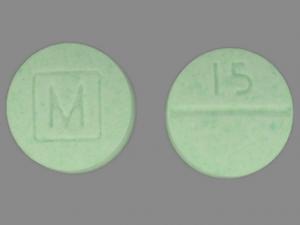
BUY OXYCODONE ONLINE
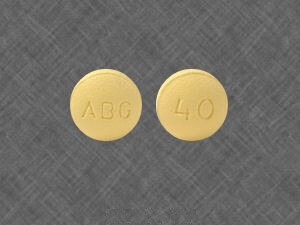
BUY OXYCODONE ONLINE
Reviews
There are no reviews yet.