
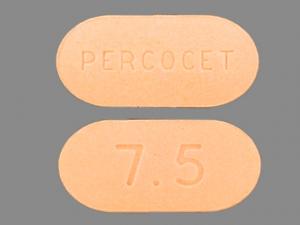
BUY Percocet 7.5/500 mg in UK online
Introduction
Percocet 7.5/500 mg is a prescription medication that was used to manage moderate to moderately severe pain.Percocet 7.5/500mg It combines two active ingredients: Oxycodone and Acetaminophen.
Percocet 7.5/500mg medication was designed to provide pain relief through two different mechanisms. Oxycodone works on opioid receptors in the nervous system, while acetaminophen contributes additional pain-relieving effects.
It is important to know that older Percocet formulations containing 500 mg of acetaminophen became less common after manufacturers shifted toward lower acetaminophen amounts in many products. This change occurred because higher acetaminophen exposure can increase the risk of liver injury when multiple doses are taken or when combined with other acetaminophen-containing medications.
Understanding how this medication works and the safety issues surrounding opioid use remains important.
What Does Percocet 7.5/500 mg Mean?
The numbers describe the amount of each ingredient:
- 7.5 mg of oxycodone
- 500 mg of acetaminophen
Oxycodone belongs to the opioid analgesic class.
Acetaminophen is commonly used to help relieve pain and reduce fever.
Combining these ingredients may improve pain relief in some situations.
Historical Context of the 500 mg Formulation
Many older combination pain products once contained larger amounts of acetaminophen.
Over time, safety concerns emerged because people sometimes unknowingly took multiple medications containing acetaminophen.
Examples include:
- Cold medications
- Flu remedies
- Additional pain products
- Combination prescription medicines
Unintentional excessive intake increased the risk of liver damage.
Lower-acetaminophen formulations later became more common.
How Percocet 7.5/500mg Works
Pain signals travel through nerves toward the brain.
Oxycodone affects opioid receptors and changes how pain is perceived.
Acetaminophen contributes separate pain-relieving actions.
Together, the ingredients may provide broader pain management effects.
Common Medical Uses
Healthcare professionals historically prescribed Percocet for:
- Post-surgical pain
- Injury-related pain
- Dental pain
- Acute musculoskeletal pain
- Moderate to severe pain episodes
Treatment plans differ depending on patient circumstances.
Factors Considered Before Prescribing
Healthcare providers often evaluate:
- Pain severity
- Medical history
- Liver health
- Breathing conditions
- Current medications
- Prior opioid exposure
Medication choices should be individualized.
Proper Use Principles
Patients are advised to:
- Use medication exactly as prescribed
- Avoid increasing doses independently
- Never share prescriptions
- Follow timing instructions
- Inform providers about all medicines being taken
Incorrect use can increase serious risks.
Common Side Effects of Percocet 7.5/500mg
Common side effects may include:
- Drowsiness
- Dizziness
- Nausea
- Constipation
- Vomiting
- Dry mouth
- Headache
- Fatigue
Not everyone experiences side effects.
Some improve with time.
Drowsiness and Mental Effects
Oxycodone commonly affects the central nervous system.
Some people report:
- Sleepiness
- Reduced concentration
- Mental cloudiness
- Slower reactions
Activities requiring alertness may become unsafe.
Constipation Risks of Percocet 7.5/500mg
Constipation is a common opioid-related side effect.
Supportive strategies sometimes discussed include:
- Drinking fluids
- Dietary fiber
- Physical activity
- Medical guidance if symptoms persist
Symptoms should not be ignored.
Serious Side Effects of Percocet 7.5/500mg
Seek immediate medical care for symptoms such as:
- Trouble breathing
- Severe weakness
- Extreme drowsiness
- Fainting
- Blue lips
- Allergic reactions
- Swelling
- Difficulty waking up
These symptoms can be serious.
Respiratory Depression Risk
Opioids can slow breathing.
Risk factors may include:
- High doses
- Medication interactions
- Alcohol use
- Lung disease
- Sedative medications
Breathing complications may become life-threatening.
Understanding Dependence
Physical dependence can occur during extended opioid use.
Dependence means the body adapts to medication exposure.
This is not the same as addiction.
Healthcare providers monitor treatment carefully.
Tolerance
Tolerance may develop with time.
This can involve:
- Reduced response
- Changes in symptom control
- Need for reassessment
Only healthcare professionals should make medication changes.
Addiction Risk of Percocet 7.5/500mg
Addiction involves behavioral patterns beyond physical dependence.
Potential factors influencing risk include:
- Personal history
- Family history
- Duration of treatment
- Mental health factors
Risk varies among individuals.
Withdrawal Symptoms
Stopping opioids suddenly after prolonged use may trigger symptoms including:
- Anxiety
- Sweating
- Restlessness
- Muscle aches
- Sleep disturbances
- Gastrointestinal discomfort
Treatment changes may require medical guidance.
Acetaminophen and Liver Safety
Acetaminophen safety deserves special attention with this formulation because it contains a relatively higher amount.
Patients may accidentally consume additional acetaminophen from:
- Cold products
- Flu remedies
- Over-the-counter pain relievers
- Combination medications
Excessive intake can increase risk of serious liver injury.
Alcohol and Percocet
Combining alcohol with opioid medications can be dangerous.
Possible risks include:
- Increased sedation
- Reduced coordination
- Breathing suppression
- Increased overdose risk
Avoid alcohol during opioid treatment unless instructed otherwise by a healthcare professional.
Medication Interactions
Percocet may interact with:
- Sleep medications
- Sedatives
- Muscle relaxants
- Certain antidepressants
- Anxiety medications
- Some antibiotics
Patients should provide a full medication list to healthcare professionals.
Storage and Disposal
Safe medication practices include:
Storage
- Keep medication secured
- Store away from moisture
- Keep out of children’s reach
- Maintain original packaging
Disposal
Unused opioid medicines should be safely disposed of through:
- Drug take-back programs
- Pharmacy collection services
- Community disposal options
Frequently Asked Questions
Is Percocet 7.5/500 mg still commonly used?
Older higher-acetaminophen formulations became less common after safety-related changes.
Why was acetaminophen content lowered in many products?
Reducing acetaminophen exposure may help lower liver injury risk.
Can Percocet 7.5/500mg cause drowsiness?
Yes. Drowsiness is a common side effect.
Is it habit-forming?
Opioid medications carry dependence and misuse risks.
Final Thoughts of Percocet 7.5/500mg
Percocet 7.5/500 mg was used for pain management and combined oxycodone with acetaminophen for enhanced pain relief. Because it contains both an opioid and a relatively higher acetaminophen amount, understanding safety considerations is especially important.
Responsible use includes following prescription instructions, recognizing side effects, avoiding medication interactions, and maintaining communication with healthcare professionals.
| QUANTITY | 60 TABS, 120 TABS, 180 TABS, 240 TABS, 300 TABS |
|---|
Be the first to review “Percocet 7.5/500mg”
Related products
BUY PERCOCET ONLINE
BUY PERCOCET ONLINE
BUY PERCOCET ONLINE
BUY PERCOCET ONLINE
BUY PERCOCET ONLINE
Reviews
There are no reviews yet.