Available Options
| Thumbnail | QUANTITY | Price | Quantity | |
|---|---|---|---|---|
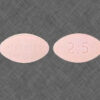 | 120 TABS | £261.00 | ||
| 180 TABS | £307.00 | ||
| 240 TABS | £389.00 | ||
| 300 TABS | £489.00 | ||
| 60 TABS | £240.00 |
BUY Percocet 2.5/325 mg in UK online
Introduction
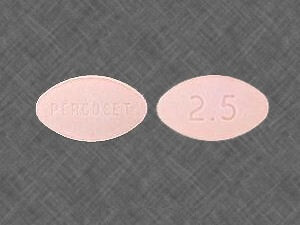
Percocet 2.5/325 mg is a prescription medication used for the treatment of moderate pain when healthcare providers determine that stronger pain relief is needed than non-opioid medications alone can provide.Percocet 2.5/325mg It combines two active ingredients: an opioid medication called oxycodone and a non-opioid pain reliever called acetaminophen.
The combination is designed to manage pain through different pathways in the body.Percocet 2.5/325mg Because it contains an opioid ingredient, Percocet must be used carefully and under medical supervision. Understanding how it works, what risks it carries, and how to take it safely is essential.
Percocet 2.5/325mg medications are prescribed for a variety of painful conditions and are available in multiple strengths. Percocet 2.5/325 mg is among the lower-strength formulations and may be considered in situations where healthcare professionals want to start with a lower opioid dose.
The medication should always be taken exactly as directed by a healthcare provider.
Understanding Percocet 2.5/325 mg
Percocet 2.5/325 mg contains:
- 2.5 mg of Oxycodone
- 325 mg of Acetaminophen
Each ingredient plays a different role in pain management.
Oxycodone belongs to a class of medications called opioid analgesics. These medicines affect pain signaling within the brain and nervous system.
Acetaminophen works differently and helps reduce pain and fever.
Combining both ingredients can provide more effective pain control than either medicine alone in some situations.
How Percocet 2.5/325mg Works in the Body
Pain begins when nerves send signals from an injured or affected area to the brain.
Oxycodone works by binding to opioid receptors found in the central nervous system. These receptors influence how pain is interpreted.
Rather than eliminating the source of pain itself, oxycodone changes the perception of pain.
Acetaminophen enhances pain relief through separate mechanisms that are not fully understood but are believed to involve activity within the central nervous system.
Because the ingredients work differently, the combination may provide stronger relief.
Common Uses of Percocet 2.5/325 mg
Healthcare providers may prescribe this medication in several situations.
Examples include:
- Short-term pain after surgery
- Injury-related pain
- Dental procedure pain
- Musculoskeletal pain
- Acute pain episodes
- Certain chronic pain circumstances
Prescription decisions depend on the patient and medical evaluation.
Not every pain condition requires opioid treatment.
Why Doctors Sometimes Use Lower Strength Doses
A lower dose formulation may be selected for several reasons:
Initial treatment approach
Some patients have not previously taken opioid medications.
Starting with lower doses may help evaluate tolerability.
Sensitivity considerations
Some individuals may experience stronger effects even at lower doses.
Risk reduction
Healthcare professionals may attempt to minimize unnecessary opioid exposure.
Individualized care
Treatment plans vary significantly between people.
Medication decisions should be personalized.
Important Dosage Principles
Patients should follow prescription instructions exactly.
Healthcare providers consider factors including:
- Pain severity
- Age
- Medical history
- Previous opioid exposure
- Other medications
- Body response
Dosage changes should only occur under professional guidance.
Taking extra medication can increase risk.
Taking Percocet 2.5/325mg Safely
Patients are often advised to:
- Use the medication only as prescribed
- Avoid taking extra tablets
- Follow timing instructions carefully
- Avoid sharing prescriptions
- Store medication securely
- Inform providers of all medications
Safe use practices matter.
Can Percocet 2.5/325mg Be Taken With Food?
Some individuals take the medication with food if nausea develops.
Others may take it without food.
Specific recommendations vary.
Patients should follow instructions from healthcare providers or pharmacists.
How Quickly Does Percocet Start Working?
Effects can vary.
Some people may begin noticing pain relief within a relatively short period.
Factors influencing response may include:
- Metabolism
- Food intake
- Individual physiology
- Other medications
Experiences vary between individuals.
How Long Effects May Last
Duration can differ among people.
Factors influencing duration include:
- Dosage
- Health status
- Age
- Liver function
- Metabolic differences
Patients should avoid taking doses sooner than prescribed.
Common Side Effects of Percocet 2.5/325mg
Like most medications, Percocet 2.5/325mg may produce side effects.
Common examples include:
- Sleepiness
- Dizziness
- Constipation
- Nausea
- Vomiting
- Fatigue
- Dry mouth
- Lightheadedness
- Headache
Not everyone experiences side effects.
Some effects lessen over time.
Drowsiness and Sedation
Opioids frequently affect alertness.
Patients may notice:
- Feeling unusually sleepy
- Reduced concentration
- Slower reactions
- Mental cloudiness
Driving or operating machinery may be unsafe.
Individuals should understand how the medication affects them first.
Constipation Risks of Percocet 2.5/325mg
Constipation commonly occurs with opioid medications.
Possible approaches patients discuss with healthcare professionals include:
- Hydration
- Physical activity
- Dietary fiber
- Additional supportive strategies
Symptoms should not be ignored.
Serious Side Effects Requiring Attention
Some symptoms may require urgent medical evaluation.
Potential warning signs include:
- Trouble breathing
- Severe weakness
- Fainting
- Extreme drowsiness
- Blue lips
- Allergic reactions
- Swelling
- Difficulty waking up
Immediate medical care may be necessary.
Understanding Respiratory Depression
One major opioid risk involves slowed breathing.
Opioids can affect respiratory centers in the brain.
Risk factors may include:
- High doses
- Medication interactions
- Existing lung conditions
- Combining sedatives
Breathing problems can become serious.
Risk of Dependence
Opioids carry dependence potential.
Physical dependence means the body adapts to the medicine over time.
This differs from addiction.
Dependence may occur even when medication is used as prescribed.
Healthcare providers monitor treatment carefully.
Tolerance Explained
Tolerance refers to reduced response over time.
Some individuals may notice:
- Less pain relief
- Changing effects
- Need for reassessment
Patients should never increase doses independently.
Addiction Concerns
Addiction involves problematic patterns of use and compulsive behavior.
Not everyone prescribed opioid medications develops addiction.
Risk may vary depending on:
- Personal history
- Family history
- Mental health factors
- Duration of treatment
Open communication with healthcare professionals matters.
Withdrawal Symptoms
Stopping opioids suddenly after prolonged use may trigger symptoms.
Examples may include:
- Sweating
- Restlessness
- Anxiety
- Muscle discomfort
- Stomach upset
- Trouble sleeping
Healthcare professionals may recommend gradual adjustments if stopping treatment.
Acetaminophen Safety
People sometimes focus only on oxycodone and overlook acetaminophen.
Acetaminophen appears in numerous medications.
Examples include:
- Cold remedies
- Flu products
- Combination pain relievers
Excessive acetaminophen exposure may increase risk of severe liver damage.
Patients should read labels carefully.
Liver Considerations
The liver processes acetaminophen.
People with liver problems may require extra caution.
Healthcare professionals evaluate risks individually.
Alcohol use can also affect liver safety.
Alcohol and Percocet
Combining alcohol with opioid medicines may be dangerous.
Potential risks include:
- Increased sedation
- Breathing problems
- Impaired coordination
- Increased overdose risk
Patients are commonly advised to avoid alcohol during treatment.
Medication Interactions
Percocet may interact with many medications.
Examples include:
- Sleep medicines
- Sedatives
- Anti-anxiety medicines
- Muscle relaxants
- Certain antidepressants
- Some antibiotics
Drug interactions can change medication effects.
Always discuss all medicines being taken.
Importance of Medication Disclosure
Healthcare professionals should know about:
- Prescription medications
- Vitamins
- Supplements
- Herbal products
- Nonprescription medicines
Even common products can create unexpected interactions.
Special Populations
Some individuals may require additional caution.
Older adults
Sensitivity to medication effects may increase.
Individuals with lung disease
Breathing-related risks may be greater.
Liver disease patients
Acetaminophen metabolism can be affected.
Kidney concerns
Medication handling may differ.
Pregnancy considerations
Medication decisions require individualized medical evaluation.
Storage Guidance
Safe storage is important.
Recommendations commonly include:
- Store away from moisture
- Keep in original packaging
- Secure from children
- Prevent unauthorized access
Accidental ingestion can be dangerous.
Disposal Recommendations
Unused medications should not remain accessible indefinitely.
Communities may offer:
- Medication take-back events
- Pharmacy disposal programs
- Local collection resources
Safe disposal supports public safety.
Frequently Asked Questions
Is Percocet a strong pain medication?
It contains an opioid ingredient and can provide significant pain relief when prescribed appropriately.
Can I drive while taking it?
It may impair alertness and reaction time.
Can I take additional pain medicine with it?
Some products may contain overlapping ingredients.
Patients should ask healthcare professionals before combining medications.
Is it safe to stop suddenly?
Long-term opioid use may require medical guidance before stopping.
Can side effects improve?
Some side effects lessen as the body adapts.
Final Thoughts of Percocet 2.5/325mg
Percocet 2.5/325 mg may help manage moderate pain in selected patients when used under medical supervision. Percocet 2.5/325mg combination of Percocet 2.5/325mg and acetaminophen can provide effective pain relief,Percocet 2.5/325mg but understanding risks and safety responsibilities is essential.
Responsible use includes following prescribed instructions, recognizing possible side effects, avoiding harmful combinations, and maintaining communication with healthcare professionals.
Medication decisions should always be individualized.Percocet 2.5/325mg Patients should never adjust doses on their own or use prescriptions that were not written specifically for them.
| QUANTITY | 60 TABS, 120 TABS, 180 TABS, 240 TABS, 300 TABS |
|---|
Be the first to review “Percocet 2.5/325mg”
Related products
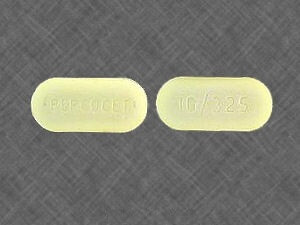
BUY PERCOCET ONLINE
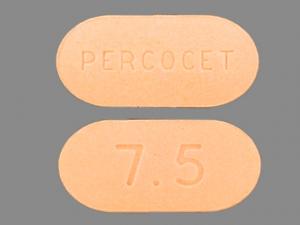
BUY PERCOCET ONLINE
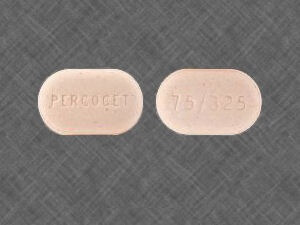
BUY PERCOCET ONLINE
BUY PERCOCET ONLINE
BUY PERCOCET ONLINE
Reviews
There are no reviews yet.