Available Options
| Thumbnail | QUANTITY | Price | Quantity | |
|---|---|---|---|---|
 | 120 TABS | £306.00 | ||
| 180 TABS | £373.00 | ||
| 240 TABS | £448.00 | ||
| 300 TABS | £522.00 | ||
| 60 TABS | £239.00 |
Buy Suboxone 8mg in UK Online
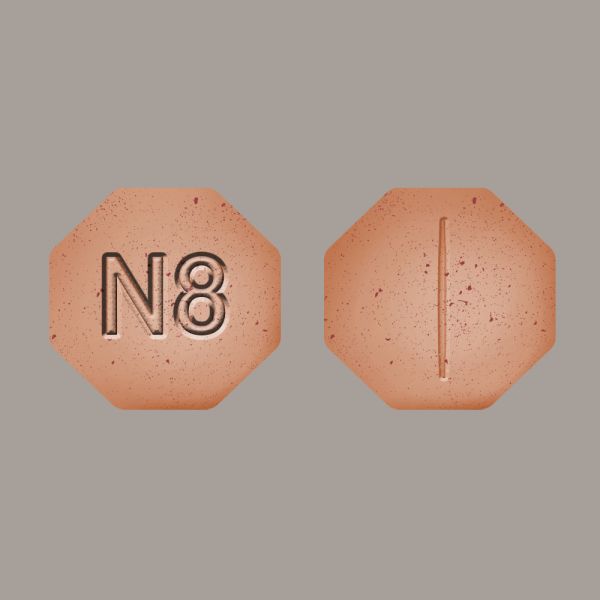
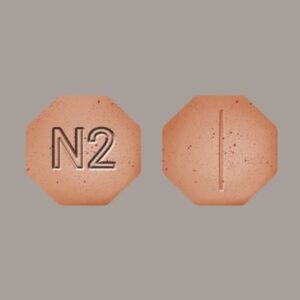
Suboxone 8mg is a prescription medicine used as part of a medically supervised treatment programme for opioid dependence. The standard 8mg Suboxone formulation contains 8mg of buprenorphine and 2mg of naloxone.
Buprenorphine is a partial opioid agonist that acts on opioid receptors in the brain. Naloxone is an opioid antagonist that is included in the formulation to reduce the potential for inappropriate use.
Suboxone is normally administered as a sublingual medicine, meaning it is placed under the tongue and allowed to dissolve. It is used as part of a broader treatment programme that can include medical, psychological and social support.
Because buprenorphine is an opioid, Suboxone can cause physical dependence and can produce serious effects if it is taken incorrectly or combined with alcohol, benzodiazepines or other medicines that depress the central nervous system.
This guide explains Suboxone 8mg, including its ingredients, uses, how it works, dosage considerations, side effects, interactions, withdrawal and important UK safety information.
What Is Suboxone 8mg?
Suboxone 8mg is a combination medicine containing:
- Buprenorphine 8mg
- Naloxone 2mg
The medicine is designed for sublingual administration.
Buprenorphine is responsible for most of the therapeutic opioid-replacement effect, while naloxone is included to discourage inappropriate administration.
It is important not to confuse Suboxone 8mg/2mg with a buprenorphine-only 8mg tablet. UK medicines information lists buprenorphine-only 8mg sublingual products separately from buprenorphine/naloxone products.
What Is Suboxone Used For?
Suboxone is used in the treatment of opioid dependence.
Opioid dependence can develop after repeated exposure to opioid medicines or illicit opioids. It can involve physical dependence, cravings and withdrawal symptoms when opioid use is reduced or stopped.
Treatment with buprenorphine/naloxone can help:
- Reduce opioid withdrawal symptoms
- Reduce cravings
- Stabilise opioid dependence
- Support recovery
- Reduce the risks associated with uncontrolled opioid use
Suboxone is intended to form part of a comprehensive treatment programme rather than being used as a general-purpose painkiller.
How Does Suboxone 8mg Work?
Suboxone contains two active ingredients with different effects.
Buprenorphine
Buprenorphine is a partial agonist at the mu-opioid receptor.
It binds strongly to opioid receptors and provides enough opioid activity to help reduce withdrawal symptoms and cravings.
Because it is a partial agonist rather than a full opioid agonist, its effects differ from medicines such as heroin, morphine and oxycodone.
Buprenorphine has a strong affinity for opioid receptors and dissociates relatively slowly, which contributes to its usefulness in opioid-substitution treatment. UK product information describes buprenorphine as a partial agonist/antagonist acting at opioid receptors.
Naloxone
Naloxone is an opioid antagonist.
It blocks opioid receptors and is included in Suboxone to reduce the potential for inappropriate use of the medicine.
The combination of buprenorphine and naloxone makes Suboxone different from buprenorphine-only products.
Suboxone 8mg Dosage
The appropriate Suboxone dose is determined individually by a healthcare professional.
Treatment depends on factors such as:
- The opioid previously being used
- The duration and severity of opioid dependence
- Current withdrawal symptoms
- Previous opioid-substitution treatment
- Other medicines
- Liver function
- Response to treatment
An important part of treatment initiation is making sure that buprenorphine is started at the appropriate point in the withdrawal process.
Starting buprenorphine too soon after another opioid can cause precipitated withdrawal, in which withdrawal symptoms can appear suddenly.
For this reason, patients should not determine their own Suboxone induction schedule.
UK product information states that induction should take into account the type of opioid used, the time since the last opioid dose and the degree of dependence, with treatment initiated when clear objective withdrawal symptoms are present.
Is 8mg a High Dose?
An 8mg Suboxone tablet contains 8mg of buprenorphine, but whether that is an appropriate daily dose depends on the individual treatment plan.
For comparison, UK information for buprenorphine-only sublingual tablets states that the mean maintenance dose is around 8mg daily, although individual requirements vary.
This information should not be interpreted as a recommendation to start or change treatment independently.
Some patients require different doses, and the treatment provider may adjust the dose according to withdrawal symptoms, cravings, response and clinical circumstances.
How Is Suboxone 8mg Taken?
Suboxone is designed for sublingual administration.
The tablet is placed under the tongue and allowed to dissolve according to the instructions provided by the prescribing clinician or pharmacist.
It should not be swallowed whole as though it were an ordinary oral tablet, and patients should not change the route of administration.
The medicine should only be taken by the person for whom it was prescribed.
Starting Suboxone After Other Opioids
Starting Suboxone requires particular care because buprenorphine binds strongly to opioid receptors.
If another opioid is still strongly affecting those receptors, buprenorphine can displace it and produce withdrawal symptoms.
This is known as precipitated withdrawal.
Symptoms may include:
- Sweating
- Restlessness
- Anxiety
- Muscle aches
- Runny nose
- Nausea
- Vomiting
- Diarrhoea
- Abdominal discomfort
- Tremors
- Increased heart rate
The risk depends partly on the opioid previously used and the timing of the last dose.
People should therefore follow their treatment provider’s induction instructions rather than trying to calculate the timing themselves.
Common Side Effects of Suboxone 8mg
Like all medicines, Suboxone can cause side effects.
Possible effects include:
- Headache
- Nausea
- Vomiting
- Constipation
- Dizziness
- Drowsiness
- Sweating
- Abdominal discomfort
- Sleep difficulties
- Weakness
Side effects vary between individuals and may change as treatment continues.
Patients should tell their doctor or pharmacist if side effects are persistent, severe or interfere with everyday activities.
Serious Side Effects
Although buprenorphine is a partial opioid agonist, it can still cause serious opioid-related effects.
The most important serious risk is respiratory depression, in which breathing becomes dangerously slow or inadequate.
Warning signs may include:
- Very slow breathing
- Difficulty breathing
- Extreme sleepiness
- Difficulty staying awake
- Loss of consciousness
- Blue or grey lips or skin
UK product information identifies respiratory depression as the primary serious concern in opioid overdose.
Suspected overdose or serious breathing problems require urgent medical attention.
Suboxone 8mg and Alcohol
Alcohol should generally be avoided while taking Suboxone unless a healthcare professional specifically advises otherwise.
Alcohol can increase the sedative and respiratory-depressant effects of buprenorphine.
Combining Suboxone with alcohol may increase the risk of:
- Severe drowsiness
- Dizziness
- Poor coordination
- Loss of consciousness
- Respiratory depression
The risk can be greater when alcohol is combined with other sedating medicines.
Suboxone and Benzodiazepines
Particular caution is required when Suboxone is combined with benzodiazepines such as:
- Clonazepam
- Diazepam
- Alprazolam
- Lorazepam
Both buprenorphine and benzodiazepines can depress the central nervous system.
Their combined use can increase the risk of severe sedation and respiratory depression.
If a patient is already taking a benzodiazepine, they should tell their Suboxone prescriber rather than stopping either medicine independently.
Suboxone and Other Opioids
Suboxone interacts with other opioid medicines because buprenorphine strongly binds to opioid receptors.
Patients receiving Suboxone should tell healthcare professionals about their treatment before receiving additional opioid medicines, including during:
- Surgery
- Emergency treatment
- Dental procedures
- Treatment of serious injuries
Pain management can require specialist planning in people receiving opioid-substitution treatment.
Patients should not take additional opioids independently.
Other Medicines That May Interact With Suboxone
Patients should inform their doctor or pharmacist about all prescription medicines, over-the-counter medicines and supplements they use.
Particular attention may be needed with medicines such as:
- Benzodiazepines
- Sleeping medicines
- Other opioids
- Sedating antihistamines
- Antipsychotic medicines
- Certain antidepressants
- Other central nervous system depressants
The risk of sedation and breathing problems can increase when multiple central nervous system depressants are used together.
Dependence and Suboxone
Buprenorphine is an opioid and can cause physical dependence.
Physical dependence is not the same thing as uncontrolled addiction.
In opioid-dependence treatment, buprenorphine is used in a controlled medical setting to reduce withdrawal and cravings and support recovery.
However, patients should still take Suboxone only as prescribed.
Repeated use can result in the body becoming accustomed to the medicine, meaning that suddenly stopping treatment can produce withdrawal symptoms.
Suboxone Withdrawal
Patients who have taken Suboxone regularly should not suddenly stop treatment without medical advice.
Withdrawal symptoms can include:
- Anxiety
- Restlessness
- Sweating
- Muscle aches
- Sleep disturbance
- Irritability
- Nausea
- Abdominal discomfort
- Diarrhoea
Withdrawal from buprenorphine can be milder than withdrawal from some full opioid agonists, but symptoms can still be uncomfortable and may last for some time.
After a period of stable treatment, a healthcare professional may gradually reduce the dose when discontinuation is appropriate.
Suboxone 8mg and Liver Health
Buprenorphine is extensively metabolised by the liver.
Patients with liver disease may therefore require additional assessment and monitoring.
People should tell their doctor if they have:
- Hepatitis
- Cirrhosis
- Abnormal liver tests
- Other chronic liver disease
UK product information recommends attention to liver function in patients receiving buprenorphine treatment.
Suboxone 8mg and Driving
Suboxone can cause dizziness, drowsiness or impaired concentration.
These effects can be particularly noticeable when treatment is first started or when the dose changes.
Patients should understand how Suboxone affects them before driving or operating machinery.
Do not drive if the medicine causes significant sleepiness, dizziness, poor concentration or impaired coordination.
Suboxone During Pregnancy
Pregnant patients receiving treatment for opioid dependence should discuss their medication with their healthcare team.
Opioid dependence itself can create significant risks during pregnancy, and suddenly stopping opioid-substitution treatment may also be harmful.
Treatment decisions should therefore be made individually by qualified healthcare professionals.
Patients should not abruptly discontinue Suboxone because they discover they are pregnant.
Suboxone and Breastfeeding
People who are breastfeeding should discuss Suboxone treatment with their doctor or specialist.
The healthcare professional can consider the mother’s treatment, dose and the baby’s health before making recommendations.
Do not independently stop treatment without discussing it with the prescribing team.
Who May Need Extra Caution With Suboxone?
Additional medical assessment may be required for people with:
- Breathing disorders
- Sleep apnoea
- Liver disease
- Kidney problems
- Head injuries
- Seizure disorders
- Low blood pressure
- Alcohol dependence
- Other substance-use disorders
Patients should provide their healthcare professional with a complete medical history before treatment begins.
What Happens If Too Much Suboxone Is Taken?
Taking too much Suboxone can cause opioid toxicity.
Possible symptoms include:
- Severe drowsiness
- Dizziness
- Very small pupils
- Low blood pressure
- Nausea
- Vomiting
- Slurred speech
- Slow or difficult breathing
- Loss of consciousness
Respiratory depression can progress to respiratory arrest and death in severe overdose. UK product information specifically identifies respiratory depression as the primary symptom requiring intervention.
If an overdose is suspected, urgent medical assistance is required.
The risk can be particularly serious when Suboxone is combined with alcohol, benzodiazepines or other central nervous system depressants.
Suboxone 8mg vs Buprenorphine 8mg
These products are not identical.
Suboxone 8mg/2mg:
- Buprenorphine: 8mg
- Naloxone: 2mg
Buprenorphine 8mg:
- Buprenorphine: 8mg
- No naloxone
UK medicines information lists buprenorphine-only 8mg sublingual tablets separately.
The two formulations should not be substituted without advice from the prescribing clinician.
Suboxone 8mg vs Suboxone 2mg
The principal difference is the amount of active ingredients.
| Formulation | Buprenorphine | Naloxone |
|---|---|---|
| Suboxone 2mg | 2mg | 0.5mg |
| Suboxone 8mg | 8mg | 2mg |
An 8mg/2mg formulation therefore contains four times as much buprenorphine and naloxone as a 2mg/0.5mg formulation.
The correct strength depends on the individual treatment plan.
Patients should not increase or decrease their dose independently.
Suboxone vs Methadone
Both Suboxone and methadone can be used in opioid-dependence treatment, but they are different medicines.
Suboxone contains buprenorphine and naloxone.
Methadone is a full opioid agonist.
A specialist may consider factors such as:
- Previous opioid use
- Treatment history
- Current health
- Pregnancy
- Other medicines
- Risk of interactions
- Patient preference
- Previous response to treatment
The decision should be made with an appropriately qualified healthcare professional.
Frequently Asked Questions
What is Suboxone 8mg?
Suboxone 8mg generally refers to the 8mg/2mg buprenorphine/naloxone formulation.
What is Suboxone 8mg used for?
It is used as part of medically supervised treatment for opioid dependence.
Does Suboxone 8mg contain naloxone?
Yes. The standard 8mg/2mg formulation contains 8mg of buprenorphine and 2mg of naloxone.
Is Suboxone an opioid?
Yes. It contains buprenorphine, which is a partial opioid agonist.
Is Suboxone addictive?
Buprenorphine can cause physical dependence. Suboxone is nevertheless used therapeutically in structured treatment for opioid dependence.
Can Suboxone cause withdrawal?
Yes. Withdrawal symptoms can occur when regular treatment is stopped, particularly if it is discontinued abruptly.
Can Suboxone be taken with benzodiazepines?
The combination can increase sedation and respiratory-depression risks. Patients taking benzodiazepines should inform their healthcare professional.
Can I drink alcohol while taking Suboxone?
Alcohol can increase sedation and respiratory-depression risks. Discuss alcohol use with your healthcare provider.
Is Suboxone 8mg the same as buprenorphine 8mg?
No. Suboxone contains both buprenorphine and naloxone, while a buprenorphine-only 8mg product contains buprenorphine without naloxone.
Is Suboxone available in the UK?
Buprenorphine/naloxone treatment is available in the UK as part of opioid-dependence treatment. Specific formulations and availability can vary.
Conclusion
Suboxone 8mg is a prescription opioid-substitution medicine used as part of treatment for opioid dependence. The standard 8mg formulation contains 8mg of buprenorphine and 2mg of naloxone.
Buprenorphine acts as a partial opioid agonist, helping reduce withdrawal symptoms and opioid cravings. Naloxone is included to discourage inappropriate use.
Suboxone treatment must be individualized. The timing of treatment initiation is particularly important because starting buprenorphine too soon after another opioid can precipitate withdrawal.
Suboxone can also cause drowsiness, dizziness, constipation, nausea and other adverse effects. More serious risks include respiratory depression, particularly when buprenorphine is combined with alcohol, benzodiazepines or other central nervous system depressants.
Because buprenorphine can cause physical dependence, people taking Suboxone regularly should not stop treatment suddenly without medical advice.
For patients in the UK, Suboxone should be obtained through legitimate medical services and used according to the instructions of the prescribing healthcare professional.
| QUANTITY | 60 TABS, 120 TABS, 180 TABS, 240 TABS, 300 TABS |
|---|
Be the first to review “Suboxone 8mg”
Related products
Buy Suboxone Online
Reviews
There are no reviews yet.