Buy Suboxone 2mg in UK Online
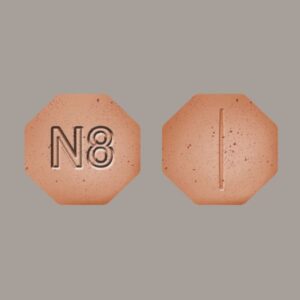
Suboxone 2mg is a prescription medicine used as part of a medically supervised treatment programme for opioid dependence. It belongs to a group of medicines known as opioid substitution treatments and contains two active ingredients: buprenorphine 2mg and naloxone 0.5mg. The medicine is supplied as a sublingual tablet, meaning it is designed to dissolve under the tongue.
Buprenorphine is a partial opioid agonist, while naloxone is an opioid antagonist. Together, the ingredients help reduce opioid withdrawal symptoms and cravings while the naloxone component is intended to reduce the potential for misuse of the medicine.
Suboxone is not simply another ordinary painkiller. Its principal role is in the treatment of opioid dependence under medical supervision.
Because buprenorphine is an opioid, Suboxone can cause dependence and can produce serious effects if taken incorrectly or combined with other central nervous system depressants.
This guide explains Suboxone 2mg, including its ingredients, uses, how it works, dosage considerations, side effects, interactions, withdrawal, safety and information relevant to patients in the UK.
What Is Suboxone 2mg?
Suboxone 2mg is a buprenorphine/naloxone combination medicine.
A standard Suboxone 2mg/0.5mg sublingual tablet contains:
| Active ingredient | Amount |
|---|---|
| Buprenorphine | 2mg |
| Naloxone | 0.5mg |
The official UK patient information identifies Suboxone 2mg/0.5mg as a sublingual tablet containing buprenorphine and naloxone.
The tablet is designed to dissolve under the tongue rather than being swallowed whole.
Suboxone is prescribed as part of a broader treatment programme that can include medical, psychological and social support.
What Is Suboxone 2mg Used For?
Suboxone is used for the treatment of opioid dependence.
Opioid dependence can develop after repeated use of medicines or illicit opioids. The condition may involve:
- Strong cravings
- Withdrawal symptoms when opioid use is reduced
- Difficulty controlling opioid use
- Continued use despite harmful consequences
- Physical dependence
Medication-assisted treatment can help stabilize opioid dependence and reduce the risks associated with uncontrolled opioid use.
Suboxone is intended to be used alongside appropriate medical and psychosocial support rather than as a standalone solution.
UK product information describes buprenorphine/naloxone treatment as part of a comprehensive treatment programme.
How Does Suboxone 2mg Work?
The two ingredients have different roles.
Buprenorphine
Buprenorphine is a partial agonist at the mu-opioid receptor.
It attaches to opioid receptors in the brain and can reduce withdrawal symptoms and cravings.
Because it is a partial rather than full opioid agonist, its effects differ from medicines such as heroin, morphine and oxycodone.
Buprenorphine has a strong affinity for opioid receptors and can remain attached to them for a relatively long period.
Naloxone
Naloxone is an opioid antagonist.
It blocks opioid receptors.
In Suboxone, naloxone has relatively limited effect when the tablet is used correctly under the tongue, but it is included to discourage inappropriate use of the medicine.
The combination is therefore designed specifically for opioid-dependence treatment.
Why Does Suboxone Contain Naloxone?
The addition of naloxone is an important difference between Suboxone and buprenorphine-only products.
When Suboxone is taken as directed sublingually, the buprenorphine provides the principal therapeutic effect.
Naloxone has poor sublingual bioavailability compared with buprenorphine.
However, inappropriate administration can increase naloxone exposure and potentially interfere with opioid effects or precipitate withdrawal in opioid-dependent individuals.
This formulation is therefore intended to reduce the attractiveness of the medicine for misuse.
Suboxone 2mg Dosage
Suboxone 2mg dosage is individualized by a healthcare professional.
Treatment is normally started and adjusted according to factors such as:
- The person’s opioid dependence
- Which opioid was previously being used
- How long the opioid has been in the person’s system
- Current withdrawal symptoms
- Previous treatment
- Other medicines being taken
- Liver function
- Response to treatment
The timing of the first dose is particularly important.
Buprenorphine can displace other opioids from receptors and may therefore cause precipitated withdrawal if it is started too soon after another opioid.
UK product information recommends that treatment initiation should occur when clear objective signs of opioid withdrawal are present and should take account of the type of opioid previously used.
For this reason, people should not attempt to determine their own Suboxone induction schedule.
How Is Suboxone 2mg Taken?
Suboxone 2mg is a sublingual tablet.
It is placed under the tongue and allowed to dissolve.
Patients should follow the specific instructions supplied by their prescriber or pharmacist.
The medicine should not be altered or used through a different route.
The UK product information specifically identifies sublingual administration for Suboxone.
Patients should also avoid sharing their medication with another person.
What Happens If Suboxone Is Started Too Early?
One of the important features of buprenorphine treatment is the possibility of precipitated opioid withdrawal.
Buprenorphine has a strong affinity for opioid receptors.
If another opioid is still occupying those receptors, buprenorphine can displace it while providing a different level of opioid receptor stimulation.
This can cause withdrawal symptoms to appear suddenly.
Possible symptoms include:
- Sweating
- Restlessness
- Anxiety
- Muscle aches
- Nausea
- Vomiting
- Diarrhoea
- Abdominal discomfort
- Runny nose
- Tremor
- Increased heart rate
This is why Suboxone induction should be supervised by an appropriately qualified healthcare professional.
Common Side Effects of Suboxone 2mg
Suboxone 2mg can cause side effects.
Potential effects include:
- Headache
- Nausea
- Vomiting
- Constipation
- Dizziness
- Drowsiness
- Sweating
- Abdominal discomfort
- Difficulty sleeping
- Weakness
The precise side effects experienced can vary between individuals.
Some effects may become less noticeable as treatment continues.
Patients should speak with their doctor or pharmacist if side effects are persistent or troublesome.
Serious Side Effects of Suboxone 2mg
Although buprenorphine has a partial agonist profile, it can still produce serious opioid-related effects.
One of the most important risks is respiratory depression.
Warning signs can include:
- Very slow breathing
- Difficulty breathing
- Extreme sleepiness
- Inability to stay awake
- Loss of consciousness
- Blue or grey lips or skin
An overdose can be life-threatening.
UK product information identifies respiratory depression as a serious consequence of overdose.
Emergency medical assistance should be sought if someone is unconscious or experiencing serious breathing difficulties.
Suboxone and Alcohol
Alcohol should be avoided while taking Suboxone unless a healthcare professional specifically advises otherwise.
Alcohol can increase the depressant effects of buprenorphine on the central nervous system.
Combining alcohol with Suboxone may increase the risk of:
- Severe drowsiness
- Dizziness
- Impaired coordination
- Loss of consciousness
- Respiratory depression
The NHS advises caution with alcohol when using buprenorphine because it can increase sleepiness and other adverse effects.
Suboxone and Benzodiazepines
Combining Suboxone with benzodiazepines such as clonazepam, diazepam, alprazolam or lorazepam can increase sedation and respiratory-depression risks.
This combination may sometimes be used under specialist medical supervision, but patients should not combine the medicines independently.
The risk can be particularly serious when benzodiazepines are combined with other central nervous system depressants.
Suboxone and Other Opioids
Suboxone interacts with other opioids because buprenorphine strongly binds to opioid receptors.
Taking additional opioids without medical supervision can be dangerous.
It can also make the effects of other opioids less predictable.
People receiving Suboxone treatment should tell their healthcare professionals about their treatment before undergoing surgery, receiving pain medication or being treated for an injury.
Suboxone and Other Medicines
Patients should tell their doctor or pharmacist about all medicines they use.
Potential interactions can involve:
- Benzodiazepines
- Sleeping tablets
- Other opioids
- Sedating antihistamines
- Antipsychotic medicines
- Some antidepressants
- Other medicines affecting the central nervous system
Certain medicines can also affect the metabolism of buprenorphine.
A pharmacist can check for potential interactions before a new medicine is started.
Dependence and Addiction
Buprenorphine is an opioid and can cause physical dependence.
This does not mean that Suboxone treatment has failed.
Physical dependence is an expected pharmacological effect of many opioid medicines and is different from uncontrolled addiction.
The goal of opioid-substitution treatment is to provide a controlled, medically supervised treatment that reduces withdrawal, cravings and the harms associated with uncontrolled opioid use.
Patients should take Suboxone only as prescribed.
Suboxone Withdrawal
Stopping Suboxone suddenly after prolonged treatment can cause withdrawal symptoms.
Possible symptoms include:
- Anxiety
- Restlessness
- Sweating
- Muscle aches
- Insomnia
- Abdominal discomfort
- Nausea
- Diarrhoea
- Irritability
The NHS notes that the body can become accustomed to buprenorphine and that withdrawal can occur if treatment is stopped suddenly.
Patients who want to discontinue Suboxone should speak with their treatment provider.
A gradual reduction can be considered when clinically appropriate.
Suboxone and Liver Problems
Buprenorphine is extensively metabolized by the liver.
People with liver disease may require additional assessment and monitoring.
UK product information reports increased exposure to buprenorphine in people with moderate or severe hepatic impairment.
Patients should tell their healthcare professional if they have:
- Hepatitis
- Cirrhosis
- Other liver disease
- Abnormal liver tests
- A history of heavy alcohol use
Doctors may monitor liver function during treatment when appropriate.
Suboxone and Driving
Suboxone can cause dizziness, drowsiness or impaired concentration, particularly when treatment is initiated or the dose is changed.
The NHS advises people not to drive or cycle if buprenorphine makes them sleepy, gives them blurred vision or makes them dizzy, clumsy or unable to concentrate or make decisions.
Patients should understand how the medicine affects them before performing activities requiring full alertness.
Suboxone During Pregnancy
Pregnant patients receiving opioid-dependence treatment should speak with their specialist healthcare team before making changes to their medication.
Untreated opioid dependence can itself create significant risks for both the pregnant person and baby.
Treatment decisions during pregnancy should therefore be individualized.
Patients should not abruptly discontinue Suboxone without professional advice.
Suboxone and Breastfeeding
Anyone who is breastfeeding should discuss Suboxone treatment with their doctor or specialist.
The healthcare professional can assess the mother’s treatment, dose and the baby’s health before determining the safest approach.
Do not independently stop treatment because of breastfeeding concerns.
Who May Need Extra Caution With Suboxone?
Patients should tell their healthcare professional if they have:
- Breathing difficulties
- Sleep apnoea
- Liver disease
- Kidney problems
- Head injury
- A history of seizures
- Low blood pressure
- Alcohol dependence
- Other substance-use problems
The NHS identifies several of these conditions as situations requiring particular consideration before buprenorphine treatment.
Suboxone 2mg in the UK
Suboxone is available in the UK as a prescription medicine.
The medicine is specifically used as part of treatment for opioid dependence.
It is different from ordinary buprenorphine-only products because Suboxone combines buprenorphine and naloxone.
UK specialist guidance identifies Suboxone as a controlled drug used in opioid-substitution treatment.
Because it contains an opioid, it is subject to additional controls.
Patients should obtain it through appropriate medical and pharmacy channels.
Buying Suboxone Online
People should be cautious about websites offering Suboxone without a legitimate prescription or appropriate clinical assessment.
Unregulated medicines may be:
- Counterfeit
- The wrong strength
- Incorrectly labelled
- Contaminated
- Manufactured without appropriate quality controls
A website displaying a pharmacy logo does not by itself prove that the medicine is genuine or legally supplied.
Patients should use regulated healthcare providers and pharmacies.
What Happens If Too Much Suboxone Is Taken?
Taking too much Suboxone can result in opioid toxicity.
Possible symptoms include:
- Severe drowsiness
- Dizziness
- Nausea
- Vomiting
- Pinpoint pupils
- Low blood pressure
- Slow breathing
- Loss of consciousness
The UK product information warns that respiratory depression can lead to respiratory arrest and death following overdose.
The risk can be increased when Suboxone is combined with alcohol, benzodiazepines or other central nervous system depressants.
Emergency medical treatment is required for suspected overdose, particularly when breathing is slow or a person cannot be awakened.
Suboxone 2mg vs Buprenorphine 2mg
These medicines should not be confused.
Suboxone 2mg/0.5mg:
- Buprenorphine: 2mg
- Naloxone: 0.5mg
Buprenorphine 2mg:
- Buprenorphine: 2mg
- No naloxone
UK medicines information lists buprenorphine-only 2mg sublingual tablets separately from Suboxone. (Medicines.org.uk)
The medicines have related but different formulations and should not be substituted without professional advice.
Suboxone vs Methadone
Both Suboxone and methadone can be used as part of opioid-substitution treatment.
However, they are pharmacologically different.
Suboxone contains buprenorphine and naloxone, while methadone is a full opioid agonist.
The choice between treatments depends on factors such as:
- Previous opioid use
- Medical history
- Pregnancy
- Other medicines
- Treatment setting
- Individual response
- Clinical assessment
A specialist should determine which treatment is appropriate.
Frequently Asked Questions
What is Suboxone 2mg?
Suboxone 2mg generally refers to a sublingual tablet containing 2mg buprenorphine and 0.5mg naloxone.
What is Suboxone used for?
It is used as part of medically supervised treatment for opioid dependence.
Is Suboxone an opioid?
Yes. It contains buprenorphine, which is an opioid partial agonist.
Does Suboxone 2mg contain naloxone?
Yes. The standard 2mg Suboxone formulation contains 0.5mg naloxone.
Is Suboxone 2mg addictive?
Buprenorphine can cause physical dependence and is an opioid. However, Suboxone is used therapeutically in structured treatment for opioid dependence.
Can I drink alcohol while taking Suboxone?
Alcohol can increase sedation and other risks associated with buprenorphine. Discuss alcohol use with your healthcare professional.
Can Suboxone cause withdrawal?
Yes. Withdrawal can occur if regular treatment is stopped abruptly. A healthcare professional can advise on gradual reduction when appropriate. (nhs.uk)
Can Suboxone be taken with benzodiazepines?
The combination can increase sedation and respiratory-depression risks. It should only be used together under appropriate medical supervision.
Is Suboxone available in the UK?
Yes. Suboxone is a prescription medicine used in the UK as part of treatment for opioid dependence.
Is Suboxone the same as Subutex?
No. Subutex contains buprenorphine alone, whereas Suboxone contains buprenorphine plus naloxone.
Conclusion
Suboxone 2mg is a prescription buprenorphine/naloxone medicine used as part of a comprehensive treatment programme for opioid dependence. A standard 2mg Suboxone sublingual tablet contains 2mg of buprenorphine and 0.5mg of naloxone.
Buprenorphine is a partial opioid agonist that helps reduce opioid withdrawal symptoms and cravings, while naloxone is included to discourage inappropriate use.
Suboxone can be an important component of evidence-based treatment for opioid dependence, but it must be used under appropriate medical supervision. Starting treatment too soon after another opioid can precipitate withdrawal, while combining Suboxone with alcohol, benzodiazepines or other sedatives can increase the risk of dangerous respiratory depression.
Because buprenorphine can cause physical dependence, patients who have been taking Suboxone regularly should not stop treatment suddenly without speaking with their healthcare professional.
For people in the UK, Suboxone should be obtained through legitimate medical and pharmacy services and used according to the prescribing instructions.


Reviews
There are no reviews yet.