Available Options
| Thumbnail | QUANTITY | Price | Quantity | |
|---|---|---|---|---|
 | 120 TABS | £329.00 | ||
| 180 TABS | £441.00 | ||
| 240 TABS | £582.00 | ||
| 300 TABS | £665.00 | ||
| 60 TABS | £239.00 |
Buy Klonopin 1mg UK in UK Online
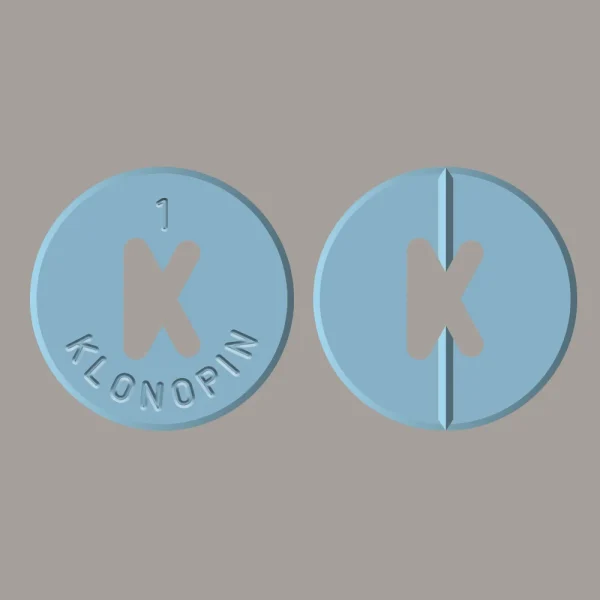
Klonopin 1mg is a brand-name formulation of clonazepam, a medicine belonging to the benzodiazepine family. Clonazepam works on the central nervous system by increasing the activity of a naturally occurring calming chemical called gamma-aminobutyric acid (GABA).
In the UK, clonazepam is available on prescription and is primarily used for certain seizure disorders. The NHS also lists clonazepam as a treatment for involuntary muscle spasms, panic disorder and, in some circumstances, restless legs syndrome.
A 1mg tablet contains 1 milligram of clonazepam. It is a higher-strength tablet than the 0.5mg formulation, although both contain the same active ingredient. The appropriate dose is determined by the condition being treated, the patient’s age, medical history and response to treatment.
Clonazepam can cause drowsiness, dizziness, impaired coordination and dependence. For this reason, it should be used exactly as prescribed and should not be stopped suddenly after regular use.
What Is Klonopin 1mg?
Klonopin 1mg is a brand name for clonazepam, a benzodiazepine medicine.
Clonazepam is available in different strengths, including 0.5mg, 1mg and 2mg tablets. The NHS confirms that these strengths are available in the UK.
The active ingredient, clonazepam, affects GABA receptors in the brain. By increasing the calming effects of GABA, clonazepam reduces excessive activity in the nervous system.
Depending on why it is prescribed, this can produce:
- Anticonvulsant effects
- Muscle-relaxing effects
- Reduced anxiety
- Sedation
- Reduced nervous-system excitability
Because of these effects, clonazepam can be useful for specific medical conditions but can also cause unwanted sedation and impaired coordination.
What Is Klonopin 1mg Used For?
Clonazepam has several medical uses.
Epilepsy and Seizures
One of the principal uses of clonazepam in the UK is controlling certain types of epileptic seizures or fits.
Doctors may use it for particular seizure patterns when clinically appropriate. Treatment is normally individualized and may involve gradually adjusting the dose.
Muscle Spasms
Clonazepam can also be prescribed for certain involuntary muscle spasms.
Its muscle-relaxing properties can help reduce abnormal muscle activity in appropriate patients.
Panic Disorder
Clonazepam may be used for panic disorder in appropriate circumstances. The NHS notes that clonazepam can be used for panic disorder and that it generally begins working within around an hour for this indication.
However, benzodiazepines are generally not preferred as a long-term treatment strategy for anxiety because of the risks of tolerance and dependence.
Restless Legs Syndrome
The NHS also lists clonazepam among medicines that may sometimes be used for restless legs syndrome.
Treatment decisions depend on the individual’s symptoms and medical history.
How Does Clonazepam Work?
Clonazepam belongs to the benzodiazepine class.
The medicine increases the effects of GABA, a neurotransmitter that reduces excessive activity in the brain.
This can help:
- Control abnormal electrical activity associated with seizures
- Relax muscles
- Reduce excessive nervous-system activity
- Produce a calming effect
The same mechanism can also cause drowsiness and reduced alertness.
This is why people taking clonazepam should be cautious with activities requiring concentration, particularly when beginning treatment or after a dose increase.
Klonopin 1mg Dosage
There is no single dose that is appropriate for everyone.
The NHS states that clonazepam tablets are available in 0.5mg, 1mg and 2mg strengths. For epilepsy and muscle spasms, treatment is commonly started at a low dose and increased gradually over a period of weeks under medical supervision.
For example, the NHS lists a typical adult starting dose for epilepsy as 1mg at night, with subsequent adjustment according to clinical response.
This does not mean that everyone should take 1mg.
The correct dose depends on:
- The condition being treated
- Age
- Other medicines
- Medical history
- Kidney and liver function
- Response to treatment
- Risk of adverse effects
Patients should take clonazepam exactly as prescribed.
Do not increase the amount because symptoms have not improved quickly.
Do not take extra tablets to compensate for a missed dose.
Klonopin 1mg vs 0.5mg
Both tablets contain clonazepam.
The difference is simply the amount of active ingredient:
| Strength | Clonazepam |
|---|---|
| Klonopin 0.5mg | 0.5mg |
| Klonopin 1mg | 1mg |
| Klonopin 2mg | 2mg |
A 1mg tablet contains twice as much clonazepam as a 0.5mg tablet.
However, this does not mean that changing from 0.5mg to 1mg is automatically appropriate. Dose changes should be made by a qualified healthcare professional.
How Long Does Klonopin 1mg Take to Work?
The onset of effects depends on why clonazepam is being used.
The NHS states that for panic disorder and restless legs syndrome, clonazepam can begin working in approximately one hour. For seizures and involuntary muscle spasms, the full therapeutic effect may take longer because the dose is often increased gradually.
Patients should not take additional tablets simply because they do not immediately feel an effect.
Taking more than prescribed increases the risk of excessive sedation and overdose.
Common Side Effects of Klonopin 1mg
Clonazepam can cause side effects, particularly when treatment begins.
Common effects include:
- Daytime drowsiness
- Dizziness
- Light-headedness
- Unsteadiness
- Muscle weakness
- Disturbed sleep
- Reduced concentration
The NHS identifies daytime sleepiness, dizziness, unsteadiness and muscle weakness among common side effects.
These effects may improve as the body becomes accustomed to the medicine, but patients should speak with their doctor if they persist or become troublesome.
Serious Side Effects
Serious reactions are uncommon but require medical attention.
Potential warning signs include:
- Difficulty breathing
- Severe confusion
- Hallucinations
- Major problems with coordination
- Significant mood or behavioural changes
- Severe allergic reactions
The NHS advises calling 999 or going to A&E for serious breathing difficulties or a severe allergic reaction.
Patients should not drive themselves to hospital if they are seriously unwell.
Klonopin 1mg and Alcohol
Alcohol should be avoided while taking clonazepam.
Alcohol can increase the sedative effects of clonazepam and may result in very deep sleep, difficulty waking and potentially impaired breathing.
The NHS specifically warns against drinking alcohol while taking clonazepam.
The combination can be particularly dangerous when other sedating medicines are also being taken.
Clonazepam and Opioids
Combining clonazepam with opioid medicines requires particular caution.
Examples of opioid medicines include:
- Codeine
- Morphine
- Oxycodone
- Methadone
- Tramadol
- Pethidine
The NHS lists several strong painkillers that can interact with clonazepam.
Both benzodiazepines and opioids can depress the central nervous system.
Taking them together can increase the risk of:
- Severe sedation
- Breathing problems
- Loss of consciousness
- Overdose
Patients should only use this combination when specifically prescribed and monitored by a healthcare professional.
Other Medicines That May Interact With Clonazepam
Patients should tell their doctor or pharmacist about all medicines they use.
Potential interactions include:
- Other benzodiazepines
- Anticonvulsants
- Antipsychotics
- Antidepressants
- Sleeping medicines
- Muscle relaxants
- Sedating antihistamines
- Strong painkillers
- Certain antifungal medicines
- Some antibiotics
The NHS specifically advises patients to discuss medicines such as anticonvulsants, antipsychotics, antidepressants, hypnotics, muscle relaxants, sedating antihistamines and strong painkillers with their healthcare professional.
Herbal products marketed for anxiety or insomnia can also increase drowsiness and should be discussed with a pharmacist or doctor.
Dependence and Addiction
One of the most important safety considerations with clonazepam is dependence.
Benzodiazepines can become habit-forming, particularly when taken regularly for extended periods.
The risk can increase with:
- Long-term use
- Higher doses
- Frequent use
- Previous problems with alcohol or drugs
- Combining clonazepam with other sedating substances
The NHS states that clonazepam is less likely to become addictive when taken for a short period of approximately two to four weeks, but longer treatment requires careful management and gradual dose reduction when stopping.
Dependence can occur even when the medicine has been taken according to a prescription.
Clonazepam Withdrawal
Patients who have taken clonazepam regularly should not suddenly stop taking it without medical advice.
Sudden discontinuation can produce withdrawal symptoms.
Possible symptoms include:
- Anxiety
- Irritability
- Sweating
- Sleep problems
- Confusion
- Depression
- Tremors
- Seizures
The NHS advises that people taking clonazepam for more than two to four weeks may need their dose reduced gradually when treatment is stopped.
A gradual reduction allows the body time to adjust.
The exact reduction schedule should be determined by the prescribing clinician.
Klonopin 1mg and Driving
Clonazepam can affect driving ability.
It may cause:
- Sleepiness
- Dizziness
- Poor coordination
- Slower reactions
- Reduced concentration
- Confusion
The NHS advises people not to drive, cycle or use machinery if they feel sleepy, dizzy or confused after taking clonazepam.
Patients should also be aware of UK rules concerning driving while taking medicines that can impair driving ability.
Clonazepam in Older Adults
Older people can be more sensitive to benzodiazepines.
Potential concerns include:
- Increased drowsiness
- Confusion
- Poor balance
- Falls
- Muscle weakness
The NHS notes that doctors may recommend a lower dose for people over 65.
A healthcare professional should determine the appropriate dose based on the individual’s circumstances.
Clonazepam and Pregnancy
Anyone who is pregnant, planning pregnancy or breastfeeding should speak with a doctor before taking clonazepam.
Clonazepam may require careful consideration during pregnancy because benzodiazepines can affect the developing baby and newborn.
However, someone taking clonazepam for epilepsy should not stop it suddenly, because uncontrolled seizures can also be dangerous.
Treatment decisions during pregnancy should therefore be made with a healthcare professional.
Clonazepam and Breastfeeding
Clonazepam can pass into breast milk.
People who are breastfeeding should discuss clonazepam treatment with their doctor or pharmacist.
The healthcare professional can consider the dose, duration of treatment and the age and health of the baby.
Who May Need Extra Caution?
Clonazepam may not be suitable for everyone.
Patients should tell their doctor before treatment if they have conditions such as:
- Sleep apnoea
- Lung problems
- Liver disease
- Kidney disease
- Myasthenia gravis
- Certain coordination disorders
- A history of alcohol or drug problems
- Depression or suicidal thoughts
The NHS specifically recommends discussing these conditions with a doctor before starting clonazepam.
Klonopin 1mg in the UK
Klonopin is primarily known as a brand name for clonazepam outside the UK.
In the UK, patients are generally prescribed clonazepam rather than the US brand name Klonopin.
Clonazepam is listed by the UK Government as a Class C controlled drug and is also listed as a Schedule 4 Part 1 controlled medicine.
This means that additional legal controls apply to its possession, prescribing and supply.
People should obtain clonazepam through legitimate medical and pharmacy channels.
Buying Klonopin Online
Patients should be cautious about websites offering Klonopin or clonazepam without appropriate medical assessment or prescription requirements.
Unregulated online medicines can potentially be:
- Counterfeit
- Incorrectly labelled
- The wrong strength
- Contaminated
- Made with unexpected ingredients
A professional-looking website does not necessarily prove that a medicine is genuine or legally supplied.
Patients should use legitimate healthcare providers and regulated pharmacies.
What Happens If Too Much Clonazepam Is Taken?
The effects of an excessive amount can vary from person to person.
Possible symptoms include:
- Severe sleepiness
- Poor coordination
- Slurred speech
- Muscle weakness
- Confusion
- Reduced consciousness
- Changes in heart rate
The NHS advises seeking urgent medical advice if someone takes more clonazepam than prescribed.
The risk becomes particularly serious when clonazepam is combined with alcohol, opioids or other central nervous system depressants.
Klonopin vs Xanax
Klonopin and Xanax are both benzodiazepines, but they contain different active ingredients.
Klonopin
- Active ingredient: clonazepam
- Benzodiazepine
- Used for certain seizure disorders and other conditions
- Relatively long-acting
Xanax
- Active ingredient: alprazolam
- Benzodiazepine
- Primarily associated with anxiety and panic disorder treatment
They are not interchangeable on a milligram-for-milligram basis.
A healthcare professional should determine which medicine is appropriate.
Klonopin vs Valium
Valium contains diazepam, while Klonopin contains clonazepam.
Both medicines belong to the benzodiazepine family, but their pharmacological properties and clinical uses differ.
Neither should be substituted for the other without medical advice.
Frequently Asked Questions
What is Klonopin 1mg?
Klonopin is a brand name associated with clonazepam. A 1mg tablet contains 1mg of clonazepam.
What is Klonopin 1mg used for?
Clonazepam is used for certain seizures and other conditions, including muscle spasms and panic disorder in appropriate circumstances.
Is Klonopin the same as clonazepam?
Yes. Klonopin is a brand name for clonazepam.
Is 1mg stronger than 0.5mg?
Yes. A 1mg tablet contains twice as much clonazepam as a 0.5mg tablet.
Is clonazepam addictive?
Clonazepam can cause dependence and can become habit-forming, particularly with longer-term or regular use.
Can I stop taking Klonopin suddenly?
No. If you have been taking clonazepam regularly, speak with your doctor before stopping. A gradual reduction may be necessary to reduce withdrawal risks.
Can I drink alcohol while taking Klonopin?
Alcohol can dangerously increase the sedative effects of clonazepam. The NHS advises avoiding alcohol while taking it.
Can I drive after taking Klonopin 1mg?
Clonazepam can impair alertness and coordination. Do not drive if you feel sleepy, dizzy, confused or otherwise impaired.
Is Klonopin available in the UK?
Clonazepam is available by prescription in the UK, generally under its generic name. Klonopin is primarily a brand name associated with the US.
Is clonazepam a controlled drug in the UK?
Yes. UK Government information lists clonazepam as a Class C controlled drug and Schedule 4 Part 1 medicine.
Conclusion
Klonopin 1mg contains 1mg of clonazepam, a benzodiazepine that enhances the activity of GABA in the central nervous system. In the UK, clonazepam is primarily used for certain seizure disorders, although it may also be prescribed for conditions such as muscle spasms and panic disorder in appropriate circumstances.
The 1mg strength contains twice as much clonazepam as the 0.5mg tablet, but patients should not change their dose without medical advice. Clonazepam can cause drowsiness, dizziness, impaired coordination and dependence.
Alcohol and other sedating medicines can increase its effects, while combining clonazepam with opioid medicines can create particularly serious risks.
People who have been taking clonazepam regularly should not stop suddenly. A healthcare professional may gradually reduce the dose to reduce withdrawal symptoms.
For UK patients, clonazepam is a controlled medicine, so it should be obtained through appropriate medical and pharmacy channels.
| QUANTITY | 60 TABS, 120 TABS, 180 TABS, 240 TABS, 300 TABS |
|---|
Be the first to review “Klonopin 1mg”
Related products
Buy Klonopin Online
Buy Klonopin Online
Reviews
There are no reviews yet.