
Available Options
| Thumbnail | QUANTITY | Price | Quantity | |
|---|---|---|---|---|
 | 120 TABS | £363.00 | ||
| 180 TABS | £415.00 | ||
| 240 TABS | £487.00 | ||
| 300 TABS | £586.00 | ||
| 60 TABS | £270.00 |
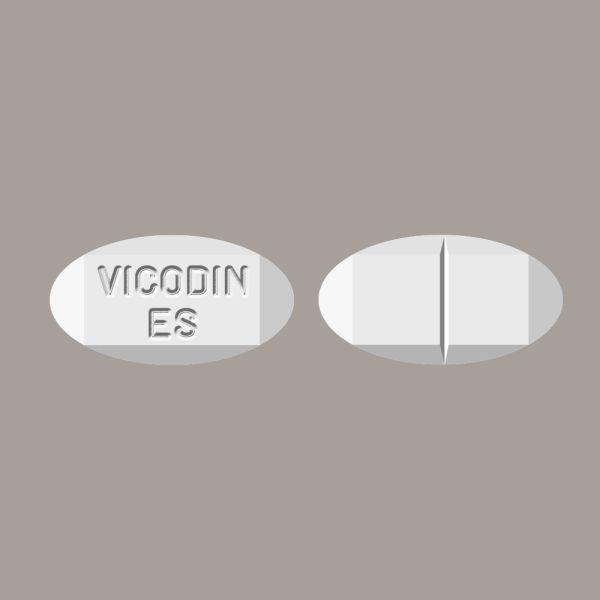
Buy Vicodin 7.5/750mg in UK online
Vicodin 7.5/750mg is a combination prescription pain medicine containing:
- Hydrocodone bitartrate 7.5 mg (an opioid analgesic)
- Paracetamol (acetaminophen) 750 mg (a non-opioid pain reliever and fever reducer)
It has been used in some countries, particularly the United States, for the short-term treatment of moderate to moderately severe pain. However,Vicodin 7.5/750mg is not licensed or routinely prescribed in the United Kingdom. Hydrocodone-containing medicines are generally not available for routine prescribing in UK clinical practice. Instead, healthcare professionals commonly prescribe alternatives such as codeine, tramadol (when appropriate), morphine, or oxycodone depending on the clinical situation and current guidance.
Is Vicodin 7.5/750mg Available in the UK?
No. Vicodin 7.5/750mg is not a licensed medicine in the UK. Patients in the UK are unlikely to receive a prescription for Vicodin through the NHS or routine private prescribing. If opioid treatment is necessary, a clinician will prescribe a medicine that is licensed and appropriate for the individual’s condition.
What Is Hydrocodone?
Hydrocodone is an opioid medicine that reduces pain by acting on opioid receptors in the brain and spinal cord. It changes how the body perceives and responds to pain.
Like other opioids, hydrocodone can also cause:
- Drowsiness
- Constipation
- Nausea
- Dizziness
- Slowed breathing
- Dependence and addiction
Because of these risks, opioids are prescribed only when the expected benefits outweigh the potential harms.
Role of Paracetamol
The 750 mg of paracetamol in Vicodin helps improve pain relief through a different mechanism than hydrocodone. Combining an opioid with paracetamol may provide better pain control than either medicine alone.
However, 750 mg is a relatively high amount of paracetamol per tablet, and taking too many tablets can exceed the maximum recommended daily dose, increasing the risk of serious liver damage.
What Conditions Was Vicodin 7.5/750mg Used For?
Where licensed, Vicodin 7.5/750mg has been prescribed for short-term treatment of pain such as:
- Pain after surgery
- Dental pain
- Bone fractures
- Musculoskeletal injuries
- Severe back pain
- Acute pain following trauma
It is generally intended for short-term use rather than long-term management of chronic pain.
How Is It Taken?
Patients should always follow the exact instructions provided by their healthcare professional.
General principles include:
- Take only as prescribed.
- Do not take more frequently than directed.
- Avoid combining it with other medicines containing paracetamol unless advised by a healthcare professional.
- Do not use it for longer than recommended without medical review.
Common Side Effects of Vicodin 7.5/750mg
Common side effects include:
- Sleepiness
- Dizziness
- Constipation
- Nausea
- Vomiting
- Dry mouth
- Headache
Many of these side effects are typical of opioid medicines.
Serious Risks
Seek emergency medical attention if someone taking an opioid develops:
- Difficulty breathing
- Very slow or shallow breathing
- Extreme drowsiness or inability to wake
- Blue lips or fingertips
- Loss of consciousness
These symptoms may indicate an opioid overdose, which is a medical emergency.
Dependence and Addiction
Hydrocodone has the potential to cause:
- Physical dependence
- Tolerance
- Opioid use disorder (addiction)
The risk increases with higher doses and longer treatment. If opioid treatment has continued for an extended period, it should not usually be stopped suddenly without medical advice, as withdrawal symptoms may occur.
Drug Interactions
Hydrocodone may interact with:
- Benzodiazepines
- Other opioid medicines
- Sleeping tablets
- Alcohol
- Certain antidepressants
- Some medicines that affect liver enzymes
These combinations can increase the risk of excessive sedation and dangerous breathing problems.
Alcohol
Alcohol should be avoided while taking opioid medicines because it can significantly increase the risk of severe drowsiness, impaired judgement, respiratory depression, and overdose.
Pregnancy and Breastfeeding
Opioids are not routinely recommended during pregnancy unless the potential benefits clearly outweigh the risks. Regular use during pregnancy may lead to neonatal opioid withdrawal syndrome in the newborn.
Hydrocodone may also pass into breast milk. Decisions about treatment during pregnancy or breastfeeding should always be made with a qualified healthcare professional.
Driving
Opioids can impair alertness, reaction time, and coordination. Patients should not drive or operate machinery if affected by drowsiness or other impairing side effects.
Storage
Opioid medicines should be:
- Stored securely.
- Kept out of the reach of children.
- Protected from heat and moisture.
- Never shared with another person.
Unused medicines should be returned to a pharmacy for safe disposal.
Frequently Asked Questions
Is Vicodin available on the NHS?
No. Vicodin is not routinely available or licensed for prescribing in the UK.
Can Vicodin be taken with additional paracetamol?
Because Vicodin already contains paracetamol, taking extra paracetamol can increase the risk of overdose and serious liver injury. Always check with a healthcare professional before combining medicines.
Can Vicodin cause addiction?
Yes. Like all opioid medicines, hydrocodone carries a risk of dependence and addiction, particularly with prolonged use.
What should I do if I miss a dose?
Follow the instructions provided by your prescriber or pharmacist. Do not take extra doses to make up for a missed one.
Key Takeaways
Vicodin 7.5/750mg is a combination of hydrocodone and paracetamol that has been used in some countries to treat moderate to moderately severe pain. It is not licensed or routinely prescribed in the UK, where other pain medicines are generally used instead. Because hydrocodone is an opioid, it carries significant risks including drowsiness, constipation, dependence, addiction, and potentially life-threatening respiratory depression. In addition, the paracetamol component means exceeding the prescribed dose can cause serious liver damage. Anyone taking opioid medicines should use them only as prescribed and seek prompt medical advice if severe side effects or signs of overdose occur.
| QUANTITY | 60 TABS, 120 TABS, 180 TABS, 240 TABS, 300 TABS |
|---|
Be the first to review “Vicodin 7.5/750mg”
Related products
BUY VICODIN ONLINE
Reviews
There are no reviews yet.