
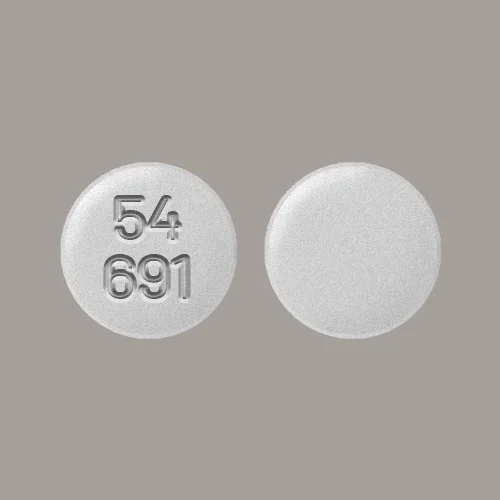


Available Options
| Thumbnail | QUANTITY | Price | Quantity | |
|---|---|---|---|---|
 | 120 TABS | £377.00 | ||
| 180 TABS | £530.00 | ||
| 240 TABS | £691.00 | ||
| 300 TABS | £831.00 | ||
| 60 TABS | £249.00 |
Buy Oxymorphone 15mg in UK Online
Oxymorphone 15mg is a strength of oxymorphone, a potent opioid analgesic used in certain clinical circumstances for the management of significant pain. Opioid medicines can provide important pain relief for appropriately selected patients, but they also carry serious risks. These include drowsiness, respiratory depression, overdose, tolerance, physical dependence and addiction.
The term Oxymorphone 15mg refers to a medicine containing 15 milligrams of oxymorphone. However, the appropriate formulation, dose and treatment plan depend on the individual patient and the specific product involved.
What Is Oxymorphone 15mg?
Oxymorphone 15mg belongs to a group of medicines called opioids. Opioids work by interacting with opioid receptors in the brain, spinal cord and other areas of the body. These receptors play an important role in how pain signals are processed.
By affecting these receptors, oxymorphone can change the perception of pain. However, opioid receptors are also involved in other important body functions. As a result, oxymorphone may affect:
- Alertness
- Breathing
- Coordination
- Digestion
- Mood
- Consciousness
This is why potent opioid medicines require careful prescribing and medical supervision.
Understanding Oxymorphone 15mg
A medicine labelled Oxymorphone 15mg contains 15 milligrams of the active ingredient. The strength alone does not determine whether the medicine is appropriate for a particular person.
Healthcare professionals may consider several factors before prescribing an opioid, including:
- The cause of the pain
- The severity of the pain
- Whether the pain is acute or persistent
- Previous opioid use
- Age and general health
- Other medicines being taken
- Liver and kidney function
- Respiratory health
- Previous side effects from opioids
- Risk of dependence or substance misuse
A person should never assume that a particular strength is suitable simply because another person uses the same medicine.
How Does Oxymorphone 15mg Work?
Oxymorphone 15mg works primarily by activating opioid receptors in the central nervous system. This can reduce the perception of pain and alter the body’s response to painful stimuli.
However, the effects of opioid medicines are not limited to pain relief. Oxymorphone can also cause central nervous system depression, meaning that it may reduce alertness and slow certain body functions.
Possible effects can include:
- Pain relief
- Drowsiness
- Sedation
- Dizziness
- Reduced concentration
- Slower reaction times
Because opioid medicines can affect breathing, excessive doses or dangerous drug combinations can result in a medical emergency.
Immediate-Release and Extended-Release Formulations
Oxymorphone products may exist in different formulations. Some medicines are designed for more immediate effects, while others may be formulated to release the active ingredient over a longer period.
If a product is described as extended-release, ER or another prolonged-release formulation, it should be taken exactly according to the instructions provided for that specific medicine.
Patients should not alter a modified-release opioid product unless specifically instructed by a qualified healthcare professional. Changing the physical form of certain extended-release medicines can interfere with the intended release mechanism and increase the risk of excessive opioid exposure.
Always check the instructions supplied with the specific product.
Possible Uses of Oxymorphone 15mg
Oxymorphone is associated with the management of significant pain in appropriate clinical circumstances.
However, pain management is highly individual. Healthcare professionals may consider:
- The cause of the pain
- The duration of symptoms
- The effect on daily activities
- Previous treatments
- Other medical conditions
- The potential benefits and risks of opioid treatment
Not every type of pain requires an opioid medicine. Depending on the situation, treatment may involve other medicines, physical therapies, rehabilitation, psychological support or treatment of the underlying cause.
A healthcare professional can determine the most appropriate approach.
Common Side Effects of Oxymorphone 15mg
Like other potent opioid medicines, oxymorphone can cause side effects.
Possible side effects may include:
- Drowsiness
- Sleepiness
- Dizziness
- Nausea
- Vomiting
- Constipation
- Dry mouth
- Headache
- Sweating
- Reduced concentration
- Impaired coordination
The severity of side effects can vary between individuals.
Factors that may influence the effects include the dose, the formulation, age, other medical conditions and whether other sedating medicines or substances are being used.
Constipation and Digestive Effects
Constipation is a common problem associated with opioid medicines.
Opioids can slow activity in the digestive system, making bowel movements less frequent or more difficult.
Patients experiencing persistent constipation should discuss it with a doctor or pharmacist. It is important to manage opioid-related side effects appropriately rather than simply ignoring them.
Other digestive effects may include:
- Nausea
- Vomiting
- Abdominal discomfort
- Reduced appetite
Any severe or persistent symptoms should be discussed with a healthcare professional.
Serious Risk: Respiratory Depression
One of the most serious risks associated with potent opioid medicines is respiratory depression.
Respiratory depression means that breathing becomes too slow or too shallow to provide the body with sufficient oxygen.
Warning signs can include:
- Slow breathing
- Shallow breathing
- Extreme sleepiness
- Difficulty waking the person
- Confusion
- Loss of consciousness
A suspected opioid overdose or serious breathing problem requires urgent medical attention.
The risk can be increased by excessive opioid exposure or by combining opioids with other substances that depress the central nervous system.
Oxymorphone and Alcohol
Alcohol can increase the sedative effects of opioid medicines.
Combining oxymorphone with alcohol may increase the risk of:
- Severe drowsiness
- Impaired coordination
- Loss of consciousness
- Dangerous breathing problems
- Overdose
For this reason, patients should discuss alcohol use with their prescribing healthcare professional or pharmacist.
Alcohol is not the only concern. Other medicines and substances can also increase sedation and respiratory risks.
Oxymorphone and Benzodiazepines
Particular caution is required when opioids are combined with benzodiazepines or other sedating medicines.
Benzodiazepines include medicines used in certain circumstances for anxiety, sedation or sleep-related conditions.
Combining central nervous system depressants may increase the risk of:
- Extreme sedation
- Confusion
- Loss of consciousness
- Respiratory depression
- Overdose
Patients should always tell their doctor and pharmacist about every medicine they are taking.
Tolerance
With continued opioid use, some patients may develop tolerance.
Tolerance refers to changes in the body’s response to a medicine over time. However, a patient should never respond by independently increasing their opioid dose.
Increasing an opioid dose without medical supervision can significantly increase the risk of serious side effects and overdose.
If pain is not adequately controlled, the safest approach is to discuss the problem with the prescribing healthcare professional.
Physical Dependence
Regular opioid use can result in physical dependence.
Physical dependence means that the body has adapted to the continued presence of the medicine. If treatment is stopped suddenly after regular use, withdrawal symptoms may occur.
Physical dependence is not automatically the same thing as addiction, but both dependence and addiction are important risks associated with opioid medicines.
Addiction and Misuse
Oxymorphone is a potent opioid and may carry a risk of addiction and misuse.
The medicine should only be used according to the instructions of an appropriately qualified healthcare professional.
Patients should not:
- Take more than prescribed
- Take doses more frequently than prescribed
- Share their medicine
- Use another person’s prescription
- Combine the medicine with alcohol or sedatives without medical advice
If a patient becomes concerned about dependence, cravings or problematic use, they should seek professional support.
Do Not Stop Regular Treatment Suddenly
A person who has been taking oxymorphone regularly should not abruptly stop treatment without speaking to a healthcare professional.
Sudden discontinuation can lead to withdrawal symptoms, which may include:
- Anxiety
- Restlessness
- Sweating
- Sleep problems
- Muscle aches
- Nausea
- Vomiting
- Gastrointestinal symptoms
The safest approach to reducing or stopping opioid treatment depends on the individual’s medical circumstances, treatment duration and current medicine regimen.
A healthcare professional can provide appropriate guidance.
Driving and Operating Machinery
Oxymorphone may affect:
- Alertness
- Concentration
- Reaction time
- Coordination
- Judgement
A person experiencing drowsiness, dizziness, confusion or impaired coordination should not drive, operate machinery or perform dangerous activities.
Alcohol and other sedating medicines may further increase impairment.
Patients should follow medical advice and the applicable laws and regulations relating to driving while taking prescribed medicines.
Drug Interactions
Drug interactions are an important consideration when using opioid medicines.
Patients should tell their doctor or pharmacist about all:
- Prescription medicines
- Over-the-counter medicines
- Other pain medicines
- Anxiety medicines
- Sleep medicines
- Herbal products
- Vitamins
- Supplements
- Alcohol and other substances
Some combinations can increase sedation or affect breathing.
A pharmacist or healthcare professional can assess possible interactions based on the complete list of medicines being used.
Who May Need Additional Medical Assessment?
Oxymorphone 15mg may require additional caution in people with certain health conditions.
A healthcare professional may carefully assess patients with:
- Respiratory problems
- Sleep-related breathing disorders
- Liver problems
- Kidney problems
- Certain gastrointestinal conditions
- A history of substance-use disorder
- Previous opioid-related complications
- Increased sensitivity to sedative medicines
Older adults may also require careful monitoring because they can be more sensitive to certain medication effects.
Pregnancy and breastfeeding are additional circumstances in which opioid treatment should be discussed carefully with an appropriate healthcare professional.
Safe Use of Prescription Opioids
Patients prescribed an opioid medicine should follow several important safety principles.
Take the medicine exactly as prescribed
Do not take extra doses or change the treatment schedule without professional advice.
Keep the medicine secure
Opioids should be stored securely and kept away from children, pets and anyone for whom the medicine was not prescribed.
Never share prescription medicine
A dose that may have been prescribed for one person could be dangerous or potentially fatal for another person.
Discuss side effects
If side effects become difficult to manage, contact the prescribing healthcare professional rather than changing the dose independently.
Ask before combining medicines
Some medicines and substances can significantly increase opioid-related risks.
Risks of Unregulated Medicines
Obtaining potent opioid medicines from unregulated or illegal sources creates serious health risks.
A product may:
- Contain an incorrect strength
- Contain a different substance
- Be counterfeit
- Contain unexpected ingredients
- Have been stored improperly
- Lack appropriate quality control
With strong opioids, uncertainty about the actual contents or strength of a tablet can significantly increase the risk of poisoning and overdose.
Prescription opioid medicines should therefore only be obtained and used through lawful and appropriately regulated healthcare channels.
Frequently Asked Questions About Oxymorphone 15mg
What is Oxymorphone 15mg?
Oxymorphone 15mg refers to a strength containing 15 milligrams of oxymorphone, a potent opioid analgesic.
Is Oxymorphone 15mg suitable for everyone?
No. The suitability of any opioid medicine depends on the individual’s pain, medical history, previous opioid exposure, other medicines and risk factors.
Can Oxymorphone 15mg cause dependence?
Yes. Regular opioid use can result in physical dependence, and opioid medicines can also carry a risk of addiction.
Can Oxymorphone cause overdose?
Yes. Excessive opioid exposure can cause dangerous sedation and respiratory depression. Combining opioids with alcohol or other sedating substances may further increase the risk.
Can I increase my dose if the medicine does not provide enough pain relief?
No. Do not independently increase the dose. Contact the prescribing healthcare professional to discuss ongoing pain or changes in treatment.
Can I suddenly stop taking Oxymorphone 15mg?
If you have been taking an opioid regularly, suddenly stopping may cause withdrawal symptoms. Speak with a healthcare professional before making significant changes to treatment.
Can I drive while taking Oxymorphone?
Oxymorphone 15mg may impair alertness, coordination and reaction time. Do not drive or operate machinery if you are affected by the medicine, and follow professional advice and applicable laws.
Conclusion
Oxymorphone 15mg is a strength of a potent opioid medicine associated with the management of significant pain in appropriate clinical circumstances. While opioid medicines can provide important pain relief, they also carry serious risks.
These risks include drowsiness, impaired coordination, respiratory depression, overdose, tolerance, physical dependence and addiction.
For this reason, oxymorphone should only be used according to professional medical guidance. Patients should never independently increase their dose, share prescription medicine, combine it with alcohol or other sedating substances without medical advice, or suddenly stop regular opioid treatment without consulting a healthcare professional.
| QUANTITY | 60 TABS, 120 TABS, 180 TABS, 240 TABS, 300 TABS |
|---|
Be the first to review “Oxymorphone 15mg”
Related products

Buy Oxymorphone Online

Buy Oxymorphone Online

Buy Oxymorphone Online

Buy Oxymorphone Online

Buy Oxymorphone Online
Buy Oxymorphone Online

Buy Oxymorphone Online

Buy Oxymorphone Online
Reviews
There are no reviews yet.