Available Options
| Thumbnail | QUANTITY | Price | Quantity | |
|---|---|---|---|---|
 | 120 TABS | £352.00 | ||
| 180 TABS | £496.00 | ||
| 240 TABS | £647.00 | ||
| 300 TABS | £777.00 | ||
| 60 TABS | £233.00 |
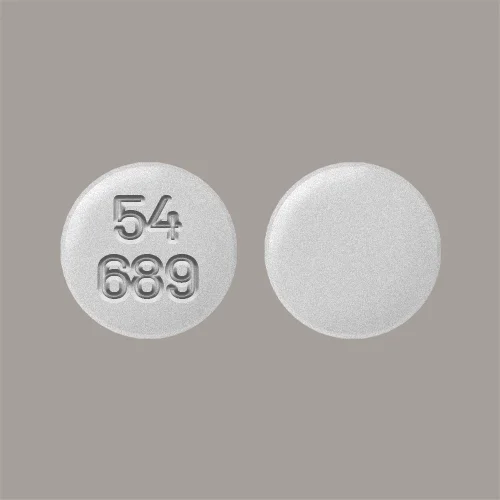
Buy Oxymorphone 5mg in UK Online
Oxymorphone 5mg is a powerful opioid medicine related to other strong opioid painkillers. It acts on the central nervous system and can significantly reduce the perception of severe pain. Because opioids can also cause dependence, respiratory depression and potentially fatal overdose, oxymorphone requires careful medical oversight.
In the UK, Oxymorphone 5mg is listed as a Class A controlled drug and a Schedule 2 controlled drug under the relevant misuse of drugs legislation. This means its possession, prescribing, supply, importation and handling are subject to strict legal controls.
If you are researching Oxymorphone 5mg, it is important to understand that the strength printed on a tablet or product does not by itself determine whether it is appropriate or safe for a particular person. Opioid treatment must be assessed individually by a qualified prescriber.
What Is Oxymorphone 5mg?
Oxymorphone 5mg is an opioid analgesic. Opioid medicines work by interacting with opioid receptors in the brain, spinal cord and other parts of the body. These actions can reduce the sensation of pain, but they can also affect breathing, alertness, digestion and other important body functions.
Strong opioids are generally reserved for situations in which a clinician considers them appropriate, particularly when pain is severe and other treatment options are insufficient or unsuitable.
Opioid medicines can produce effects such as:
- Pain relief
- Drowsiness or sedation
- Nausea
- Constipation
- Dizziness
- Slower reaction times
- Physical dependence
- Tolerance
- Respiratory depression
The risks associated with opioids mean that they should not be treated in the same way as ordinary over-the-counter pain relief.
What Does “Oxymorphone 5mg” Mean?
The term Oxymorphone 5mg refers to a product containing 5 milligrams of oxymorphone as its active ingredient or equivalent pharmaceutical form.
However, a number on a medicine package should never be used to compare opioid medicines directly. Different opioids have different pharmacological properties, formulations and risks.
The following factors can influence how an opioid affects an individual:
- Previous exposure to opioids
- Age
- Other medicines being taken
- Liver and kidney function
- Respiratory health
- Alcohol consumption
- Other sedating substances
- The specific formulation of the medicine
- Individual sensitivity
For this reason, someone should never attempt to select an opioid dose based on information found online or based on another person’s prescription.
Oxymorphone and the UK Legal Position
The UK Government’s controlled drugs list identifies Oxymorphone 5mg as a Class A drug and a Schedule 2 controlled drug. Schedule 2 controlled medicines are subject to significant controls concerning prescribing, dispensing, storage and supply.
For people travelling with controlled medication, UK Government guidance also explains that controlled medicines must be lawfully prescribed and that travellers may need documentation proving that the medicine belongs to them. There are restrictions on the quantities of controlled medication that may be brought into or taken out of the UK.
Anyone seeking information about whether a particular oxymorphone product is authorised or available in the UK should verify the product through the official MHRA medicines information system rather than relying on unverified websites or packaging. The MHRA provides information on authorised medicines, including patient information leaflets and professional product information where available.
Potential Medical Use of Strong Opioids
Strong opioids may sometimes be considered in the management of severe pain. Depending on the clinical situation, pain may be associated with:
- Major injury
- Surgery
- Cancer
- Serious long-term illness
- Other severe medical conditions
However, pain management is not simply about choosing the strongest available medicine. Healthcare professionals consider the cause of pain, expected duration, severity, previous treatments and the individual’s overall health.
In the UK, opioid treatment is generally approached with caution because long-term opioid use can create significant risks. Other approaches may include non-opioid medicines, physiotherapy, treatment of the underlying condition and other specialist pain-management strategies.
The NHS describes strong opioids such as oxycodone as prescription-only medicines used for severe pain in appropriate circumstances, particularly when other pain relief is inadequate. (nhs.uk)
Oxymorphone 5mg should similarly be considered only within appropriate clinical and legal frameworks.
Important Risks Associated With Oxymorphone 5mg
Respiratory Depression
One of the most serious dangers associated with strong opioids is respiratory depression. This means breathing becomes dangerously slow or shallow.
The risk may increase when an opioid is combined with:
- Alcohol
- Benzodiazepines or other sedatives
- Sleeping medicines
- Other opioids
- Certain medicines that affect the central nervous system
A person experiencing an opioid overdose may be difficult to wake, unusually unresponsive or breathing slowly or irregularly. This is a medical emergency.
If an overdose is suspected, emergency medical help should be sought immediately.
Dependence
Physical dependence can develop during opioid treatment. Dependence does not necessarily mean addiction, but it means the body has adapted to the presence of the medicine.
Stopping an opioid suddenly after regular use may lead to withdrawal symptoms. For this reason, changes to opioid treatment should be managed with professional medical advice.
Possible withdrawal symptoms can include:
- Restlessness
- Anxiety
- Sweating
- Nausea
- Stomach cramps
- Difficulty sleeping
- Muscle aches
- General discomfort
A clinician can determine the safest approach if opioid treatment needs to be changed or discontinued.
Tolerance
Tolerance may also occur. This means that the effects of a medicine can change over time.
A person should never increase an opioid dose independently because they feel the medicine is becoming less effective. Increasing the amount without medical supervision can substantially increase the risk of overdose.
Common Side Effects of Oxymorphone 5mg
Like other strong opioids, Oxymorphone 5mg may cause a variety of side effects. The severity and likelihood can vary between individuals.
Potential side effects associated with opioid medicines include:
- Constipation
- Nausea
- Vomiting
- Drowsiness
- Dizziness
- Headache
- Dry mouth
- Sweating
- Fatigue
- Difficulty concentrating
Drowsiness and dizziness can affect a person’s ability to drive, operate machinery or perform activities requiring concentration.
If a prescribed opioid causes significant side effects, the appropriate response is to contact a doctor, pharmacist or other qualified healthcare professional rather than attempting to adjust the treatment independently.
Constipation and Opioid Treatment
Constipation is one of the most common problems associated with opioid medicines.
Opioids can slow movement through the digestive system, leading to symptoms such as:
- Infrequent bowel movements
- Hard stools
- Straining
- Abdominal discomfort
A healthcare professional may recommend an appropriate strategy to manage opioid-related constipation.
It is important not to ignore severe or persistent digestive symptoms, particularly if they are accompanied by significant pain, vomiting or abdominal swelling.
Who May Be at Higher Risk?
Certain people may face an increased risk of complications from strong opioid medicines.
Additional caution may be required for people with:
- Breathing problems
- Sleep-related breathing disorders
- Liver problems
- Kidney problems
- A history of substance misuse
- Significant alcohol use
- Conditions causing reduced consciousness
- Advanced age or frailty
The use of other medicines is also important. Drug interactions can increase sedation or affect how medicines are processed by the body.
For this reason, a prescriber or pharmacist should be aware of all medicines and substances being used, including prescription medicines, over-the-counter products and supplements.
Alcohol and Oxymorphone 5mg
Alcohol can increase the sedative effects of opioids and may contribute to dangerous respiratory depression.
Mixing strong opioids with alcohol can increase the risk of:
- Severe drowsiness
- Loss of consciousness
- Falls and injuries
- Slow or irregular breathing
- Fatal overdose
People prescribed an opioid should discuss alcohol use directly with their healthcare professional and follow the specific advice provided for their treatment.
Benzodiazepines and Other Sedatives
Combining opioids with medicines that cause sedation can be particularly dangerous.
Examples of medicines or substances that may increase risk include:
- Benzodiazepines
- Sleeping tablets
- Other opioids
- Some sedating antihistamines
- Certain psychiatric medicines
- Alcohol
The combination of multiple central nervous system depressants can increase the likelihood of excessive sedation and breathing problems.
A person should never combine prescription medicines simply because both have been prescribed at different times. A doctor or pharmacist should confirm whether they can safely be used together.
Driving and Operating Machinery
Strong opioid medicines can impair:
- Alertness
- Coordination
- Concentration
- Reaction time
- Decision-making
A person taking an opioid should follow medical advice and UK law concerning driving.
Feeling “normal” does not necessarily mean that a person is unaffected. Sedation and impaired reaction time can create risks even when the individual does not immediately notice significant symptoms.
Anyone experiencing drowsiness, dizziness or reduced concentration should avoid potentially dangerous activities and seek professional advice.
Pregnancy and Breastfeeding
Opioid treatment during pregnancy or breastfeeding requires specialist medical consideration.
The potential benefits and risks depend on factors such as:
- The medical reason for treatment
- The stage of pregnancy
- The medicine and formulation involved
- Duration of treatment
- Alternative treatment options
Pregnant or breastfeeding individuals should not start, stop or change opioid medication without discussing it with an appropriate healthcare professional.
Recognising a Possible Opioid Overdose
A suspected opioid overdose is a medical emergency.
Warning signs can include:
- Extreme sleepiness
- Inability to wake the person
- Slow breathing
- Shallow breathing
- Irregular breathing
- Loss of consciousness
- Unusual limpness
- Blue or grey colouring of the lips or skin
If these symptoms occur after opioid use, seek emergency assistance immediately.
Do not wait for the person to “sleep it off.”
Safe Storage of Controlled Medicines
Controlled medicines should be kept securely and away from children, visitors and anyone for whom the medicine has not been prescribed.
Opioid medicines should never be:
- Shared with another person
- Left where children can access them
- Sold or transferred to another individual
- Used after someone else’s prescription has ended
A medicine that is appropriate for one patient may be extremely dangerous for another person, particularly someone who has not previously taken opioids.
Why Buying Unverified Opioids Online Is Dangerous
One of the major concerns surrounding opioid medicines is the risk associated with unregulated or counterfeit products.
An unverified product may:
- Contain a different substance
- Contain an incorrect strength
- Be contaminated
- Have no reliable quality control
- Contain dangerous additional substances
Packaging, logos and tablet markings can be copied. A professional-looking website or package does not guarantee that a medicine is genuine or safe.
For medicines used in the UK, official information can be checked through the MHRA’s medicines resources. The MHRA provides access to medicine information, including patient leaflets and professional product information for authorised products.
Travelling to or From the UK With Controlled Medication
People travelling with controlled medicines should plan ahead.
UK Government guidance states that travellers carrying controlled medicines may need to demonstrate that the medicine was lawfully prescribed to them. Documentation can include prescription information or a letter from the prescribing clinician.
The documentation may need to identify:
- The patient
- The medicine
- The strength
- The quantity
- Relevant travel dates
There are also restrictions relating to the quantity of controlled medication that can be carried. Government guidance indicates that personal arrangements for controlled medicines are subject to specific conditions and travellers should check the current requirements before travelling.
Talking to a Doctor or Pharmacist About Severe Pain
If severe pain is not being adequately controlled, the safest approach is to discuss the problem with a qualified healthcare professional.
Useful information to provide may include:
- Where the pain occurs
- How long it has lasted
- What makes it better or worse
- Previous treatments
- Current medicines
- Any history of side effects
- Whether pain affects sleep or daily activities
A clinician can assess whether an opioid is appropriate and whether another treatment may provide a better balance between benefits and risks.
Pain that suddenly becomes severe, is associated with serious injury, breathing difficulties, confusion, chest pain or other alarming symptoms may require urgent medical assessment.
Frequently Asked Questions About Oxymorphone 5mg
Is Oxymorphone 5mg an opioid?
Yes. Oxymorphone 5mg is an opioid analgesic and can produce serious opioid-related effects, including sedation, dependence and respiratory depression.
Is Oxymorphone 5mg controlled in the UK?
Yes. The UK Government’s controlled drugs list identifies Oxymorphone 5mg as Class A and Schedule 2.
Can I share prescribed oxymorphone with another person?
No. Prescription opioids should only be used by the individual for whom they were prescribed.
Can Oxymorphone 5mg cause dependence?
Yes. Physical dependence and other opioid-related problems can occur, especially with continued use.
Can alcohol increase the risks?
Yes. Alcohol and other sedating substances can increase the risk of dangerous sedation and breathing problems.
How can I check medicine information in the UK?
The official MHRA products service provides access to medicine information, including patient information leaflets and professional product details where available.
Conclusion
Oxymorphone 5mg refers to a specific strength of a powerful opioid medicine, but the number 5mg alone does not indicate whether the medicine is appropriate or safe for any individual. Opioids require careful medical assessment because of the potential for serious side effects, dependence, dangerous interactions and life-threatening respiratory depression.
In the UK, Oxymorphone 5mg is a Class A, Schedule 2 controlled drug, meaning that it is subject to strict legal controls.
Anyone considering or researching opioid treatment should use reliable medical and regulatory information and discuss their individual circumstances with a qualified healthcare professional. Official UK medicine information can be checked through the MHRA medicines information service, while current information about controlled drug status is available from GOV.UK’s controlled drugs list.
| QUANTITY | 60 TABS, 120 TABS, 180 TABS, 240 TABS, 300 TABS |
|---|
Be the first to review “Oxymorphone 5mg”
Related products
Buy Oxymorphone Online
Buy Oxymorphone Online

Buy Oxymorphone Online

Buy Oxymorphone Online

Buy Oxymorphone Online

Buy Oxymorphone Online
Buy Oxymorphone Online

Buy Oxymorphone Online
Reviews
There are no reviews yet.