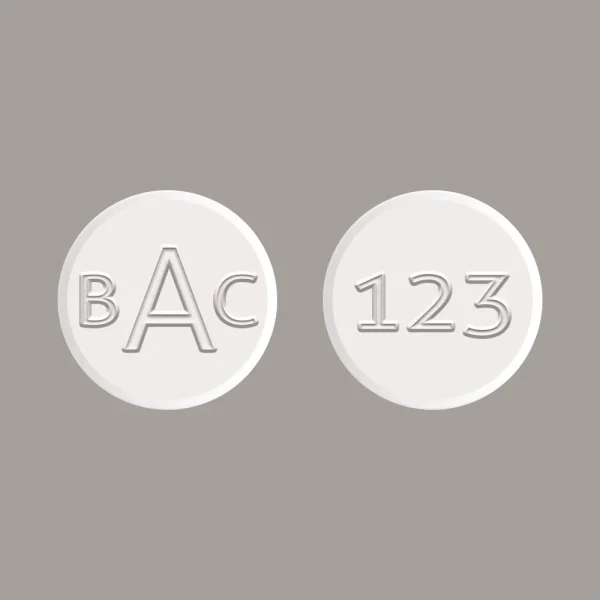
Butalbital 50mg
Price range: £224.00 through £693.00
Available Options
| Thumbnail | QUANTITY | Price | Quantity | |
|---|---|---|---|---|
 | 120 TABS | £314.00 | ||
| 180 TABS | £441.00 | ||
| 240 TABS | £577.00 | ||
| 300 TABS | £693.00 | ||
| 60 TABS | £224.00 |
Buy Butalbital 50mg in UK Online
Butalbital 50mg is a medicine associated with a group of combination headache treatments used primarily for the short-term relief of certain tension headaches. Butalbital belongs to a class of medicines known as barbiturates, which act on the central nervous system and have sedative and muscle-relaxing effects.
Unlike medicines such as paracetamol or ibuprofen, butalbital is not normally used as a simple standalone painkiller. In countries where butalbital products are available, it is commonly combined with other ingredients, particularly acetaminophen (paracetamol) and caffeine. Some formulations also contain codeine. The exact ingredients and strengths therefore depend on the particular product.
For UK readers, there is an important regulatory consideration. Butalbital is listed as a Class B controlled drug under UK misuse-of-drugs legislation. It is not a routinely marketed UK treatment for headaches, meaning patients should not assume that a product advertised online as “Butalbital 50mg UK” is a legitimate UK-licensed medicine.
This article provides general educational information about butalbital 50mg, its possible uses, how it works, side effects, dependence risks, interactions and UK regulatory considerations.
What Is Butalbital 50mg?
Butalbital 50mg is a barbiturate that produces a depressant effect on the central nervous system. A 50mg amount refers to the quantity of butalbital in certain combination formulations.
One important point is that “Butalbital 50mg” does not by itself identify the complete medicine. Different products can combine 50mg of butalbital with different quantities of other ingredients.
For example, some US formulations combine:
- Butalbital
- Acetaminophen
- Caffeine
Other products may contain aspirin and caffeine, while some formulations add codeine. The composition should therefore always be checked on the product label or official prescribing information.
This distinction is particularly important because the additional ingredients can create their own risks.
What Is Butalbital Used For?
Butalbital-containing combination medicines are primarily used for tension headaches.
According to the US National Library of Medicine’s MedlinePlus information, the combination of acetaminophen, butalbital and caffeine is used to relieve tension headaches.
Tension headaches can produce:
- Pressure or tightness around the head
- Aching head pain
- Pain around the forehead or temples
- Tenderness around the scalp or neck
Butalbital 50mg is not generally considered a first-choice medicine for every type of headache. Frequent or recurring headaches require appropriate assessment because the underlying cause may need investigation.
How Does Butalbital 50mg Work?
Butalbital 50mg belongs to the barbiturate class.
It works by producing a central nervous system depressant effect, which can result in relaxation and sedation. In combination headache products, this effect is intended to contribute to relief of tension-related headache symptoms.
The other ingredients in combination products work differently.
Acetaminophen
Acetaminophen, called paracetamol in the UK, is an analgesic used to reduce pain and fever.
Caffeine
Caffeine is a central nervous system stimulant. In combination headache products, it can contribute to the overall analgesic effect.
Because the ingredients work through different mechanisms, combination products may provide a broader effect than an individual ingredient alone.
Butalbital 50mg Formulations
There is no single universal “Butalbital 50mg” formulation.
A product containing 50mg of butalbital may also contain other active ingredients.
Examples include combinations containing:
Butalbital + acetaminophen + caffeine
This is one of the best-known formulations and is used for tension headaches.
Butalbital + aspirin + caffeine
This is another combination historically used for tension headaches.
Butalbital + acetaminophen + caffeine + codeine
Some products additionally contain codeine, an opioid medicine. Such combinations carry additional risks associated with opioids, including sedation, respiratory depression and dependence.
Because formulations differ, patients should never assume that two products containing “butalbital 50mg” have identical ingredients.
Butalbital 50mg Dosage
The appropriate dose depends on the specific product.
This is particularly important because combination products contain different quantities of acetaminophen, aspirin, caffeine or codeine.
Patients should follow the exact instructions provided by their prescriber and the product’s official information.
The MedlinePlus information for acetaminophen, butalbital and caffeine states that the combination is generally taken by mouth as needed and warns patients not to exceed the prescribed amount. It also states that the medicine can be habit-forming.
Do not increase the amount because a headache has not improved.
Taking more butalbital can increase sedation and the risk of serious toxicity without necessarily providing better headache relief.
Why Butalbital Is Not Usually a First Choice
Butalbital-containing medicines have an important limitation: frequent use can lead to dependence and medication-overuse headaches.
A person may initially experience headache relief but eventually begin experiencing headaches more frequently if the medicine is used repeatedly.
For people with recurring migraines or frequent headaches, a healthcare professional may recommend a different treatment strategy rather than repeated use of a butalbital-containing medicine.
The underlying cause and frequency of headaches should therefore be assessed rather than simply increasing medication use.
Common Side Effects of Butalbital 50mg
Butalbital can cause central nervous system depression.
Possible side effects include:
- Drowsiness
- Dizziness
- Light-headedness
- Nausea
- Vomiting
- Stomach discomfort
- Confusion
- Reduced alertness
MedlinePlus specifically lists drowsiness, nausea, vomiting, stomach pain, light-headedness, dizziness and confusion among possible side effects of acetaminophen/butalbital/caffeine combinations.
People should be particularly careful when first taking the medicine because they may not know how strongly it affects their alertness.
Butalbital and Driving
Butalbital can cause drowsiness and impair concentration.
Patients should not drive, cycle or operate machinery until they know how the medicine affects them.
This is particularly important when butalbital is combined with other sedating medicines or alcohol.
The US National Library of Medicine specifically advises patients not to drive or operate machinery until they understand how the medication affects them.
Butalbital and Alcohol
Alcohol can significantly increase the sedative effects of butalbital.
Combining alcohol with a barbiturate may increase:
- Drowsiness
- Dizziness
- Impaired coordination
- Confusion
- Loss of consciousness
- Dangerous central nervous system depression
For safety, alcohol should be avoided while taking butalbital-containing medicines unless a healthcare professional specifically advises otherwise.
The risk can be even greater when the formulation also contains an opioid such as codeine.
Dependence and Addiction
Butalbital can be habit-forming.
Repeated use can cause the body to become accustomed to the medicine. Physical dependence may develop, meaning withdrawal symptoms can occur when regular use is suddenly stopped.
The risk is particularly concerning when someone:
- Takes larger amounts than prescribed
- Uses the medicine more frequently than recommended
- Uses it for longer than intended
- Uses it without medical supervision
MedlinePlus specifically warns that acetaminophen/butalbital/caffeine combinations can be habit-forming and should be taken exactly as directed.
Butalbital Withdrawal
Someone who has been taking butalbital regularly should not suddenly stop without medical advice.
Withdrawal from barbiturates can potentially be serious.
Depending on the degree of dependence, withdrawal may involve:
- Anxiety
- Restlessness
- Insomnia
- Tremor
- Nausea
- Vomiting
- Sweating
- Agitation
- Seizures
- Severe confusion
Medical supervision is important when discontinuing regular barbiturate treatment.
The appropriate withdrawal plan depends on the person’s treatment history and level of dependence.
Risk of Overdose
Taking too much butalbital can cause serious central nervous system depression.
Potential overdose symptoms can include:
- Severe drowsiness
- Confusion
- Loss of consciousness
- Slow or abnormal breathing
- Coma
If the product contains acetaminophen, excessive use can additionally cause serious liver damage. MedlinePlus warns that too much acetaminophen can cause severe liver injury and, in serious cases, liver failure or death.
If a person may have taken too much butalbital, urgent medical assessment is required.
Acetaminophen/Paracetamol Warning
This is particularly important for UK patients.
Some butalbital products contain acetaminophen, which is called paracetamol in the UK.
Taking another paracetamol-containing medicine at the same time can unintentionally increase the total amount consumed.
Too much paracetamol can cause severe liver injury.
Patients should therefore check the ingredients of all painkillers and cold or flu medicines they are taking.
MedlinePlus warns that people may accidentally exceed the safe amount when they take more than one acetaminophen-containing product.
Butalbital and Other Medicines
Butalbital can interact with medicines that affect the central nervous system.
Extra caution may be required with:
- Sleeping medicines
- Sedatives
- Other barbiturates
- Opioid medicines
- Certain anti-anxiety medicines
- Some antihistamines
- Alcohol
Combining multiple sedating substances can increase impairment and the risk of dangerous central nervous system depression.
If the formulation contains codeine, additional opioid-related interactions and risks must be considered.
Patients should provide their doctor or pharmacist with a complete list of medicines, supplements and other substances they use.
Butalbital and Codeine
Some butalbital formulations contain codeine.
This changes the safety profile substantially because codeine is an opioid.
A combination containing butalbital and codeine may increase the risk of:
- Severe sedation
- Respiratory depression
- Dependence
- Addiction
- Overdose
The FDA prescribing information for a butalbital/acetaminophen/caffeine/codeine product includes warnings concerning life-threatening respiratory depression and other opioid-related risks. (FDA Access Data)
Patients should therefore never assume that all butalbital products have the same safety profile.
Butalbital and Pregnancy
Pregnant or breastfeeding patients should discuss butalbital treatment with a healthcare professional before taking it.
The safety of a particular product can depend on its complete formulation.
This is especially important when a product also contains codeine or other medicines.
Patients who are pregnant, planning pregnancy or breastfeeding should tell their doctor before using a butalbital-containing medicine.
Butalbital in the UK
The UK regulatory position is particularly important.
Butalbital is listed by the UK government among Class B controlled drugs under the Misuse of Drugs legislation.
This means that UK consumers should be cautious about websites advertising “Butalbital 50mg UK” as though it were an ordinary UK pharmacy medicine.
A product being advertised online does not establish that it is licensed, legally supplied or medically appropriate for use in the UK.
Patients should obtain medicines through legitimate, regulated healthcare channels and should not rely on websites offering controlled medicines without appropriate prescribing requirements.
Is Butalbital Available on the NHS?
Butalbital is not a routine NHS treatment for headaches in the UK.
In the United States, butalbital-containing combinations are available and have been used for tension headaches. For example, MedlinePlus describes acetaminophen/butalbital/caffeine as a treatment for tension headaches.
UK headache treatment generally focuses on medicines and approaches appropriate to the specific headache diagnosis.
For recurrent headaches, a healthcare professional can determine whether the symptoms are caused by tension headache, migraine, medication overuse or another condition.
Alternatives for Headache Treatment in the UK
The appropriate treatment depends on the type and severity of headache.
For occasional headaches, commonly used UK treatments may include medicines such as:
- Paracetamol
- Ibuprofen
- Other appropriate non-opioid treatments
Migraine may require different treatment, including migraine-specific medicines in appropriate patients.
For frequent headaches, preventive treatment may be considered.
The important point is that treatment should be based on the underlying diagnosis rather than simply choosing the strongest painkiller.
Medication-Overuse Headache
Frequent use of acute headache medicines can contribute to medication-overuse headache.
This can create a difficult cycle:
- A person develops a headache.
- They take medication.
- The headache improves temporarily.
- Headaches become increasingly frequent.
- The person uses the medication more often.
- The cycle continues.
Butalbital-containing medicines are generally not ideal for frequent, repeated headache treatment because of their dependence and medication-overuse concerns.
People who experience headaches on a regular basis should speak with a healthcare professional about preventive strategies.
Frequently Asked Questions About Butalbital 50mg
What is Butalbital 50mg?
Butalbital 50mg refers to a quantity of the barbiturate butalbital found in certain combination headache medicines. The complete formulation varies between products.
What is Butalbital used for?
Butalbital-containing combinations have been used primarily for the relief of tension headaches.
Is Butalbital 50mg available in the UK?
Butalbital is not a routine UK headache medicine and is listed as a Class B controlled drug in the UK.
Is Butalbital addictive?
Yes. Butalbital can be habit-forming and can cause physical dependence with repeated use.
Can I drink alcohol while taking Butalbital?
Alcohol can increase the sedative effects of butalbital and should generally be avoided.
Does Butalbital contain paracetamol?
Some formulations contain acetaminophen, which is called paracetamol in the UK. Other formulations contain different ingredients. Always check the exact product.
Can I take paracetamol with Butalbital?
If your butalbital product already contains acetaminophen/paracetamol, taking additional paracetamol can increase the risk of overdose and liver damage. Ask a pharmacist or doctor before combining them.
Can Butalbital cause withdrawal?
Yes. Regular use can lead to dependence, and abrupt discontinuation can potentially cause serious withdrawal symptoms.
Is Butalbital an opioid?
No. Butalbital is a barbiturate, not an opioid. However, some combination products containing butalbital also contain codeine, which is an opioid.
Conclusion
Butalbital 50mg is associated with combination medicines used primarily for the short-term treatment of tension headaches. Butalbital is a barbiturate that acts on the central nervous system, while other ingredients in combination products—such as acetaminophen and caffeine—provide additional effects.
The medicine requires particular caution because butalbital can cause drowsiness, impaired alertness, dependence and withdrawal. Products containing acetaminophen also carry a risk of serious liver injury if too much is taken, while formulations containing codeine carry additional opioid-related risks. (MedlinePlus)
For UK readers, the regulatory status is especially important: Butalbital 50mg is listed as a Class B controlled drug in the UK and is not a routine UK headache treatment.
Anyone experiencing frequent or severe headaches should seek professional medical advice rather than repeatedly using butalbital-containing medicines. A healthcare professional can determine the cause of the headaches and recommend an appropriate treatment strategy.
| QUANTITY | 60 TABS, 120 TABS, 180 TABS, 240 TABS, 300 TABS |
|---|
Reviews
There are no reviews yet.