Available Options
| Thumbnail | QUANTITY | Price | Quantity | |
|---|---|---|---|---|
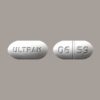 | 120 TABS | £365.00 | ||
| 180 TABS | £218.00 | ||
| 240 TABS | £470.00 | ||
| 300 TABS | £552.00 | ||
| 60 TABS | £253.00 |
Buy Ultram 50mg in UK Online
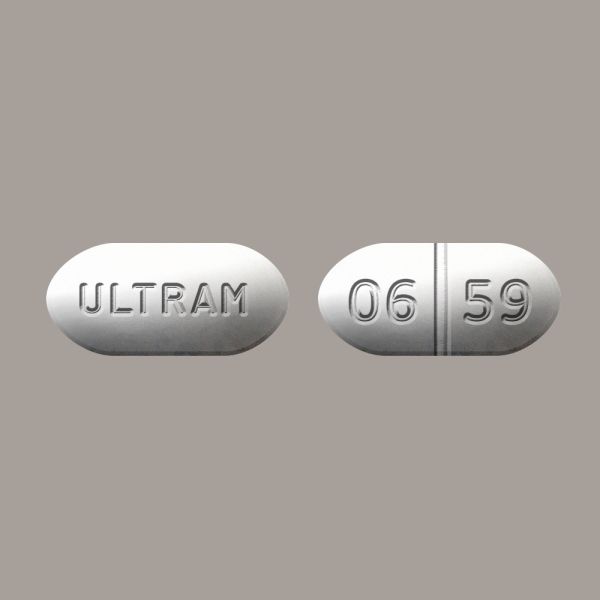
Ultram 50mg is a name associated with tramadol 50mg, an opioid painkiller used to relieve moderate to severe pain. Tramadol is available in the UK as prescription-only medicine and comes in different formulations, including immediate-release capsules and tablets and prolonged-release preparations.
Tramadol works through more than one mechanism. It acts on opioid receptors in the central nervous system and also affects the reuptake of certain neurotransmitters involved in pain signalling. These effects can reduce how strongly pain is experienced.
Although tramadol can be an effective painkiller, it is not suitable for everyone. It can cause drowsiness, dizziness, nausea, constipation and other adverse effects. More importantly, because tramadol is an opioid, regular use can result in physical dependence, tolerance and addiction.
This guide explains what Ultram 50mg means, how tramadol works, its medical uses, dosage considerations, possible side effects, interactions, withdrawal, and important information for patients in the UK.
What Is Ultram 50mg?
Ultram 50mg is a brand name historically associated with tramadol. A 50mg formulation contains 50mg of tramadol hydrochloride.
In the UK, patients are more likely to encounter medicines labelled tramadol 50mg or other licensed tramadol brands rather than Ultram. UK medicines containing 50mg tramadol are prescription-only medicines.
Tramadol belongs to the opioid family of medicines. It is used to treat moderate to severe pain when a healthcare professional believes an opioid analgesic is appropriate.
The medicine should only be taken by the person for whom it was prescribed. UK patient information specifically warns that tramadol can cause addiction and that withdrawal symptoms can occur if treatment is stopped suddenly.
What Is Ultram 50mg Used For?
Ultram 50mg is primarily used for the treatment of moderate to severe pain.
A doctor may consider tramadol when pain is not adequately controlled by weaker painkillers or when another appropriate treatment is needed.
Examples of pain for which a doctor might prescribe tramadol include:
- Acute pain following an injury
- Pain following certain surgical procedures
- Moderate to severe musculoskeletal pain
- Certain chronic pain conditions
- Other conditions where an opioid analgesic is considered appropriate
The cause of pain is important when deciding whether tramadol is suitable. Opioids are not automatically the best treatment for every type of pain.
How Does Tramadol Work?
Tramadol has a relatively complex mechanism of action.
One part of its effect comes from binding to mu-opioid receptors in the central nervous system. This changes how pain signals are transmitted and perceived.
Tramadol also affects the reuptake of neurotransmitters including serotonin and noradrenaline. These effects contribute to its pain-relieving properties.
The result is a reduction in the intensity with which the brain and nervous system perceive pain.
Unlike medicines such as paracetamol or ibuprofen, tramadol is an opioid and therefore has additional risks involving sedation, dependence and respiratory depression.
How Quickly Does Tramadol 50mg Work?
According to the NHS, immediate-release tramadol generally begins working within approximately 30 to 60 minutes. Slow-release formulations work differently and may take longer to reach their full effect.
The speed and duration of pain relief can vary depending on:
- The formulation being used
- Individual metabolism
- Age
- Kidney and liver function
- Other medicines
- The severity and type of pain
Patients should follow the instructions provided with their particular prescription rather than assuming that every tramadol product works in exactly the same way.
Ultram 50mg Dosage
The appropriate tramadol dose depends on the person’s pain, medical history, age, other medicines and response to treatment.
For some immediate-release 50mg capsules, UK prescribing information states that adults and adolescents aged 12 and over may receive doses adjusted according to pain intensity and individual sensitivity. The lowest effective dose should generally be used.
The maximum daily amount stated in UK product information is generally 400mg of tramadol hydrochloride per day, unless a specialist doctor has specifically instructed otherwise.
This does not mean that 400mg is appropriate for every patient. The correct dose is the dose prescribed by the healthcare professional.
Patients should never increase their dose because they feel the medicine is not working strongly enough.
How Should Ultram 50mg Be Taken?
Immediate-release tramadol capsules are taken orally.
Patients should:
- Follow the prescription instructions carefully.
- Swallow capsules with water.
- Avoid taking more than prescribed.
- Avoid giving their medicine to another person.
- Avoid changing the treatment schedule without medical advice.
Some Ultram formulations can be taken with or without food. However, instructions can vary between products, so patients should follow the leaflet supplied with their specific medicine.
How Long Should Tramadol Be Used?
Tramadol should generally be used for the shortest appropriate period at the lowest effective dose.
Longer-term treatment requires regular medical review because continued opioid exposure can lead to tolerance, dependence and other complications.
The prescriber should discuss how long treatment is expected to continue and how it will eventually be stopped.
If someone has been taking tramadol regularly for an extended period, stopping suddenly can cause withdrawal symptoms. A healthcare professional may recommend gradually reducing the dose instead.
Common Side Effects of Ultram 50mg
Like other medicines, Ultram 50mg can cause side effects.
Common effects can include:
- Nausea
- Dizziness
- Sleepiness
- Constipation
- Headache
- Dry mouth
- Vomiting
- Sweating
- Tiredness
Not everyone experiences these effects, and their severity can vary.
Constipation is particularly common with opioid medicines because opioids can slow movement through the digestive system.
Dizziness and Drowsiness
Ultram 50mg can make some people feel sleepy, dizzy or less alert.
This is particularly important when:
- Starting treatment
- Increasing the dose
- Combining tramadol with other medicines that cause sedation
- Drinking alcohol
The NHS advises not to drive, cycle or operate machinery if tramadol makes you sleepy, dizzy or clumsy, or causes blurred vision or problems with concentration and decision-making.
Serious Side Effects of Ultram 50mg
Although serious reactions are less common, patients should understand the warning signs.
Breathing Problems
Opioids can cause respiratory depression, in which breathing becomes unusually slow or shallow.
Very severe poisoning can cause breathing to stop.
Signs of a potentially dangerous overdose include:
- Extreme sleepiness
- Difficulty waking
- Slow or weak breathing
- Loss of consciousness
- Very small pupils
- Collapse
The UK tramadol patient leaflet states that severe overdose can cause respiratory depression, seizures, coma and potentially death.
If an overdose is suspected, urgent medical assistance is required.
Seizures
Tramadol can increase the risk of seizures in some people.
The risk may be higher in people with certain medical conditions or when tramadol is combined with particular medicines.
People with a history of seizures should discuss this with their doctor before taking tramadol.
Serotonin Syndrome
Because tramadol affects serotonin, combining it with certain medicines can occasionally cause serotonin syndrome.
This can occur when serotonin levels become excessively high.
Possible symptoms include:
- Agitation
- Confusion
- Sweating
- Tremor
- Muscle stiffness
- Increased heart rate
- Fever
The risk can be particularly relevant when tramadol is combined with certain antidepressants and other serotonergic medicines.
Patients should tell their doctor or pharmacist about all medicines they take before starting tramadol.
Tramadol and Antidepressants
Tramadol can interact with some antidepressants.
Examples include certain:
- SSRIs
- SNRIs
- Tricyclic antidepressants
- MAO inhibitors
Some combinations may increase the risk of serotonin syndrome or seizures.
UK product information specifically lists MAO inhibitors as an important interaction and states that tramadol should not be taken with MAO inhibitors or within the specified period after their use.
Never combine tramadol with another prescription medicine simply because both medicines have been prescribed previously. A doctor or pharmacist should check the combination.
Tramadol and Alcohol
It is best to avoid alcohol while taking tramadol.
Alcohol can increase the sedative effects of tramadol and make someone more sleepy or dizzy.
Combining alcohol with an opioid may also increase the risk of dangerous breathing problems.
The NHS specifically advises avoiding alcohol with tramadol because it can increase side effects such as sleepiness.
Tramadol Dependence and Addiction
One of the most important considerations with tramadol is the potential for dependence and addiction.
Dependence means the body becomes accustomed to the medicine. If treatment is suddenly stopped, withdrawal symptoms may develop.
Addiction is different: it involves compulsive use despite harmful consequences and difficulty controlling use.
The risk can increase with:
- Higher doses
- Long-term use
- Taking the medicine more frequently than prescribed
- Previous problems with substance dependence
- Using tramadol for reasons other than pain
UK patient information explicitly states that tramadol is an opioid that can cause addiction and withdrawal symptoms.
Tramadol Withdrawal
Someone who has taken tramadol regularly should not suddenly stop treatment without discussing it with their prescriber.
Withdrawal symptoms can include:
- Restlessness
- Anxiety
- Irritability
- Difficulty sleeping
- Sweating
- Shaking
- Nausea
- Vomiting
- Diarrhoea
- Muscle aches
- Palpitations
The UK patient leaflet recommends discussing discontinuation with the prescriber, who may reduce the dose gradually to minimise withdrawal symptoms.
Who May Need Extra Caution?
Tramadol may require additional caution in people with certain medical conditions.
Patients should tell their doctor if they have:
- Breathing problems
- Liver disease
- Kidney disease
- Epilepsy or a history of seizures
- Previous problems with opioid dependence
- Head injuries or conditions affecting consciousness
Older adults may also require individualised dosing because tramadol may remain in the body longer.
The appropriate treatment depends on the patient’s overall health and other medicines.
Tramadol and Driving in the UK
Tramadol can impair alertness, coordination and reaction time.
Do not drive if the medicine makes you:
- Sleepy
- Dizzy
- Clumsy
- Unable to concentrate
- Unable to make decisions safely
- Experiencing blurred vision
The NHS provides specific guidance about driving while taking tramadol.
UK patient information also notes that driving while impaired by tramadol can be an offence. There are specific legal considerations for prescribed medicines, but patients must still be capable of driving safely.
Tramadol 50mg and Other Painkillers
Tramadol should not automatically be combined with other opioid painkillers.
Taking multiple medicines that suppress the central nervous system can increase the risk of excessive sedation and breathing problems.
Some patients may be prescribed tramadol alongside a non-opioid painkiller, but the combination should be determined by a healthcare professional.
Always check the ingredients of other medicines before taking them alongside tramadol.
Tramadol in the UK
Tramadol is available in the UK as a prescription-only medicine.
There are several licensed tramadol products, including 50mg capsules. The Electronic Medicines Compendium provides UK patient leaflets and prescribing information for different formulations.
For example, the eMC lists 50mg tramadol capsules and identifies tramadol hydrochloride as the active ingredient.
Because tramadol is an opioid medicine, it should be obtained and used through legitimate healthcare channels.
Frequently Asked Questions About Ultram 50mg
What is Ultram 50mg?
Ultram 50mg is a brand name associated with tramadol. In the UK, patients commonly encounter the medicine as tramadol 50mg or under other licensed brand names.
Is tramadol 50mg an opioid?
Yes. Tramadol is an opioid painkiller used to treat moderate to severe pain.
How quickly does Ultram 50mg work?
Immediate-release Ultram 50mg generally begins working within approximately 30 to 60 minutes, according to the NHS.
Can tramadol become addictive?
Yes. Tramadol can cause dependence and addiction, particularly with prolonged or inappropriate use. (Medicines.org.uk)
Can I drink alcohol while taking tramadol?
It is best to avoid alcohol because it can increase sleepiness and other adverse effects.
Can I stop tramadol suddenly?
If you have been taking tramadol regularly, do not stop suddenly without speaking with your prescriber. Gradual dose reduction may be recommended to reduce withdrawal symptoms.
Can tramadol affect driving?
Yes. Tramadol can cause sleepiness, dizziness and impaired concentration. Do not drive if you are affected.
Is tramadol available in the UK?
Yes. Tramadol 50mg is available as a prescription-only medicine in the UK.
Conclusion
Ultram 50mg refers to tramadol 50mg, an opioid medicine used to treat moderate to severe pain. Tramadol can provide effective pain relief when appropriately prescribed, but it also carries important risks, including drowsiness, drug interactions, seizures, respiratory depression, dependence and addiction.
Patients should take tramadol exactly as prescribed and should not increase the dose or share their medication with another person. Alcohol should be avoided, and caution is required with driving and other medicines that affect the brain and nervous system.
Anyone who has been taking tramadol regularly and wants to stop should speak with their healthcare professional rather than stopping suddenly. A gradual reduction may be recommended to reduce withdrawal symptoms.
For authoritative UK information, patients can consult the NHS and the Electronic Medicines Compendium.
| QUANTITY | 60 TABS, 120 TABS, 180 TABS, 240 TABS, 300 TABS |
|---|
Be the first to review “Ultram 50mg”
Related products

BUY TRAMADOL ONLINE
BUY TRAMADOL ONLINE
BUY TRAMADOL ONLINE
Reviews
There are no reviews yet.