Available Options
| Thumbnail | QUANTITY | Price | Quantity | |
|---|---|---|---|---|
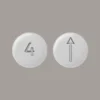 | 120 TABS | £304.00 | ||
| 180 TABS | £424.00 | ||
| 240 TABS | £549.00 | ||
| 300 TABS | £658.00 | ||
| 60 TABS | £226.00 |
Buy Buprenorphine 4mg in UK Online
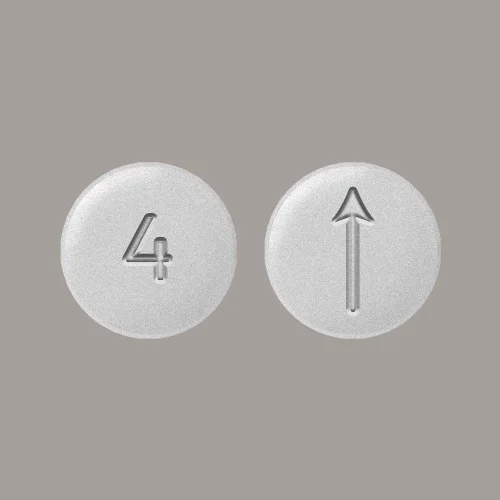
Buprenorphine 4mg is a prescription opioid medicine mainly used in the UK as part of a supervised treatment programme for opioid dependence (opioid use disorder). It is designed to help people reduce opioid cravings, manage withdrawal symptoms, and support recovery when combined with medical care, psychological support, and social support.
Buprenorphine belongs to a group of medicines called opioid partial agonists. Although it acts on the same receptors in the brain as other opioids, it produces a more limited opioid effect, which helps reduce withdrawal symptoms while lowering some risks associated with full opioid agonists.
What Is Buprenorphine 4mg?
Buprenorphine 4 mg is a formulation containing:
- Active ingredient: Buprenorphine
- Strength: 4 mg
- Medicine class: Partial opioid agonist
- Common formulation: Sublingual tablet (dissolved under the tongue)
In the UK, buprenorphine used for opioid dependence is a Prescription Only Medicine (POM) and is usually prescribed through specialist addiction services or healthcare professionals trained in opioid substitution treatment.
How Buprenorphine 4mg Works
Buprenorphine works mainly by acting on mu-opioid receptors in the brain.
Its effects include:
- Reducing opioid withdrawal symptoms
- Reducing cravings for opioids
- Helping stabilise brain changes caused by opioid dependence
- Reducing the effects of additional opioid use while taking treatment
Unlike full opioid agonists, buprenorphine has a partial activating effect at opioid receptors. This means it can provide enough opioid activity to reduce withdrawal symptoms while having a lower maximum opioid effect.
However, it is still an opioid medicine and can cause dependence and serious side effects, especially when combined with other substances.
Medical Uses of Buprenorphine
Treatment of Opioid Dependence
The main use of buprenorphine 4 mg in the UK is the treatment of opioid dependence.
It may be used for people dependent on opioids such as:
- Heroin
- Prescription opioid medicines
- Other opioid substances
Treatment aims to:
- Reduce harmful opioid use
- Prevent withdrawal symptoms
- Improve daily functioning
- Support long-term recovery
Buprenorphine treatment is most effective when combined with:
- Counselling
- Psychological support
- Recovery programmes
- Regular medical reviews
How Buprenorphine 4mg Is Taken
Buprenorphine should always be taken exactly as prescribed by a healthcare professional.
General guidance for sublingual tablets:
- The tablet is placed under the tongue.
- It should be allowed to dissolve completely.
- It should not be chewed or swallowed whole.
- Food and drinks should generally be avoided until the tablet has dissolved.
The healthcare professional will decide the appropriate treatment plan, including the timing of doses and any dose adjustments.
Starting Buprenorphine Treatment
Starting buprenorphine requires medical supervision.
If taken too soon after using certain opioids, buprenorphine can cause a sudden worsening of withdrawal symptoms, known as precipitated withdrawal.
A healthcare professional will assess factors such as:
- Recent opioid use
- Type of opioid used
- Level of dependence
- Current withdrawal symptoms
before starting treatment.
Possible Side Effects of Buprenorphine 4mg
Like all medicines, buprenorphine can cause side effects.
Common Side Effects
Possible common side effects include:
- Headache
- Dizziness
- Drowsiness
- Nausea
- Vomiting
- Constipation
- Sweating
- Dry mouth
- Tiredness
- Difficulty sleeping
Less Common Side Effects
Some people may experience:
- Mood changes
- Low blood pressure
- Blurred vision
- Skin reactions
- Changes in liver function tests
Serious Side Effects of Buprenorphine 4mg
Seek urgent medical help if you experience:
- Slow or difficult breathing
- Extreme sleepiness or difficulty waking
- Severe allergic reaction
- Fainting
- Confusion
- Signs of liver problems, such as yellowing of the skin or eyes
The risk of serious breathing problems increases when buprenorphine is combined with alcohol, sedatives, or other medicines that slow the nervous system.
Dependence and Withdrawal
Buprenorphine can cause physical dependence because it is an opioid medicine.
If treatment is stopped suddenly, withdrawal symptoms may occur, including:
- Anxiety
- Restlessness
- Sweating
- Muscle aches
- Difficulty sleeping
- Runny nose
- Stomach cramps
- Nausea
Healthcare professionals usually reduce treatment gradually when stopping buprenorphine to reduce withdrawal symptoms.
Drug Interactions
Tell your doctor or pharmacist about all medicines, supplements, and substances you use.
Important interactions include:
Alcohol
Alcohol can increase the risk of:
- Severe drowsiness
- Breathing problems
- Loss of consciousness
Benzodiazepines
Medicines such as diazepam or lorazepam may increase the risk of dangerous sedation and respiratory depression when combined with buprenorphine.
Other Sedatives
Extra caution is needed with:
- Sleeping tablets
- Other opioids
- Some anxiety medicines
- Medicines that slow brain activity
Pregnancy and Breastfeeding
People who are pregnant or planning pregnancy should discuss buprenorphine treatment with a healthcare professional.
For opioid dependence, medically supervised treatment may be safer than suddenly stopping opioid use during pregnancy.
Buprenorphine may be used during pregnancy when clinically appropriate under specialist guidance.
Breastfeeding decisions should also be discussed with a healthcare professional.
Driving and Operating Machinery
Buprenorphine may affect:
- Alertness
- Reaction time
- Concentration
- Coordination
Do not drive or operate machinery if you feel:
- Sleepy
- Dizzy
- Confused
- Unable to concentrate properly
UK driving laws may apply to opioid medicines, especially if driving ability is impaired.
Storage and Disposal
Because buprenorphine is an opioid medicine:
- Store it securely.
- Keep it away from children.
- Do not share it with anyone else.
- Return unused medicines to a pharmacy for safe disposal.
Frequently Asked Questions
What is Buprenorphine 4mg used for?
Buprenorphine 4mg is mainly used as part of a supervised treatment programme for opioid dependence.
Is buprenorphine an opioid?
Yes. Buprenorphine is an opioid medicine, but it acts as a partial opioid agonist.
Can buprenorphine cause addiction?
Buprenorphine 4mg can cause physical dependence. However, when used as prescribed in opioid dependence treatment, it is an evidence-based medicine that helps many people reduce harmful opioid use.
Can I drink alcohol while taking buprenorphine?
Alcohol should generally be avoided because it can increase the risk of dangerous sedation and breathing problems.
Can buprenorphine be stopped suddenly?
Stopping suddenly can cause withdrawal symptoms. A healthcare professional should guide any reduction.
Is buprenorphine the same as methadone?
No. Both medicines can treat opioid dependence, but they work differently. Methadone is a full opioid agonist, while buprenorphine is a partial opioid agonist.
Key Takeaways
- Buprenorphine 4mg is a prescription opioid medicine mainly used for opioid dependence treatment.
- It helps reduce cravings and withdrawal symptoms.
- It should only be used under medical supervision.
- Combining it with alcohol or sedatives can be dangerous.
- Stopping treatment should be done gradually with professional guidance.
Medical Disclaimer
This information is provided for educational purposes only and does not replace advice from a qualified healthcare professional. Always consult a doctor, pharmacist, or specialist before starting, stopping, or changing any medicine. If you experience severe or urgent symptoms, seek immediate medical help.
| QUANTITY | 60 TABS, 120 TABS, 180 TABS, 240 TABS, 300 TABS |
|---|
Be the first to review “Buprenorphine 4mg”
Related products
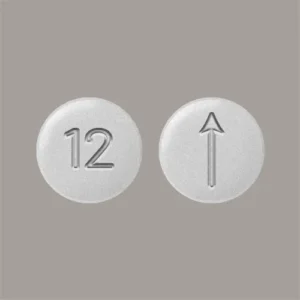
Buy Buprenorphine Online
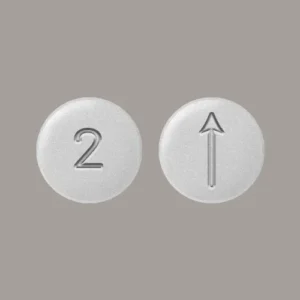
Buy Buprenorphine Online
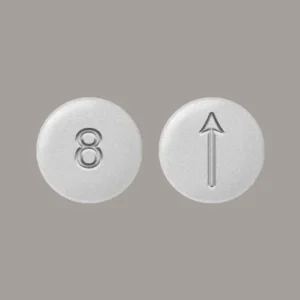
Buy Buprenorphine Online
Reviews
There are no reviews yet.