
Available Options
| Thumbnail | QUANTITY | Price | Quantity | |
|---|---|---|---|---|
 | 120 TABS | £274.00 | ||
| 180 TABS | £340.00 | ||
| 240 TABS | £377.00 | ||
| 300 TABS | £447.00 | ||
| 60 TABS | £226.00 |
Buy Opana ER 10mg in UK Online
Opana ER 10mg is an extended-release (ER) formulation of oxymorphone hydrochloride, a strong opioid analgesic that was developed for the treatment of severe, persistent pain requiring continuous, around-the-clock opioid therapy. The extended-release tablet is formulated to release oxymorphone slowly over approximately 12 hours, providing long-lasting pain relief for carefully selected patients. It is not intended for occasional or breakthrough pain. (FDA Access Data)
For readers in the United Kingdom, it is important to know that Opana ER is not licensed or routinely prescribed by the NHS. The original Opana ER brand was also withdrawn from the U.S. market after the FDA requested its removal because the public health risks associated with abuse outweighed its benefits. (GovInfo)
What Is Opana ER 10mg?
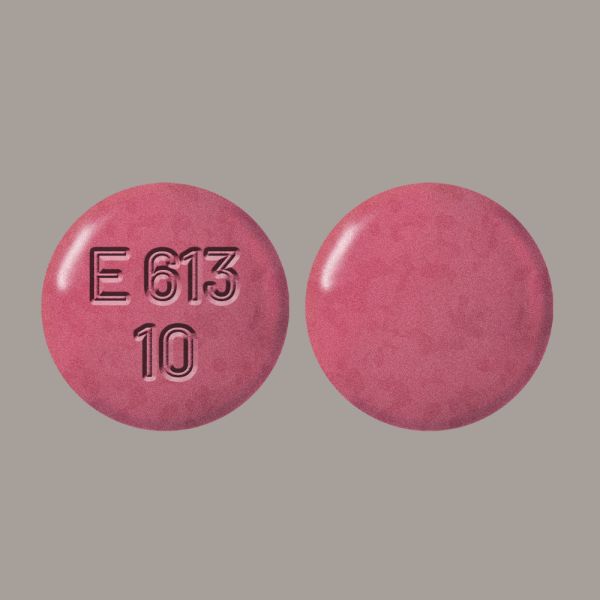
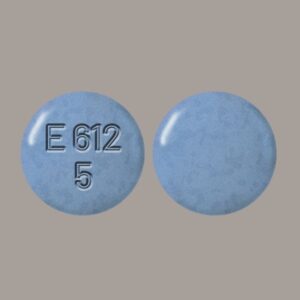
Each Opana ER 10 mg tablet contains:
- Active ingredient: Oxymorphone hydrochloride
- Strength: 10 mg
- Medicine class: Strong opioid analgesic
- Dosage form: Extended-release (modified-release) oral tablet
Oxymorphone is a semi-synthetic opioid that works by binding to opioid receptors in the brain and spinal cord, reducing the perception of pain.
How Does Opana ER Work?
Oxymorphone primarily acts on mu-opioid receptors in the central nervous system. By activating these receptors, it:
- Reduces the transmission of pain signals
- Changes how the brain perceives pain
- Provides sustained pain relief for chronic conditions
Because it also affects the brain’s respiratory and alertness centers, it can cause drowsiness and slowed breathing.
Medical Uses
Where licensed, Opana ER was indicated for adults with pain that:
- Is severe enough to require continuous opioid treatment
- Is expected to last for an extended period
- Cannot be adequately managed with non-opioid medicines or immediate-release opioids
It is not appropriate for:
- Mild pain
- Short-term pain
- Intermittent pain
- Breakthrough pain
- “As-needed” pain relief
Because extended-release opioids carry a higher risk of overdose and dependence, they are reserved for situations where alternative treatments are inadequate. (FDA Access Data)
Availability in the UK
Opana ER 10 mg is not licensed or routinely prescribed in the United Kingdom. When long-acting opioid therapy is required, UK healthcare professionals generally prescribe medicines that are licensed for UK use, such as prolonged-release morphine or oxycodone, depending on the patient’s clinical needs.
How Should It Be Taken?
If prescribed in countries where oxymorphone ER is available:
- Take the medicine exactly as prescribed.
- Swallow the tablet whole with water.
- Do not crush, chew, split, or dissolve the tablet.
- Do not take more than prescribed or use it more frequently than directed.
Crushing or chewing an extended-release tablet can release the full dose immediately, greatly increasing the risk of life-threatening overdose. (FDA Access Data)
Common Side Effects
Like other opioid medicines, Opana ER may cause:
- Constipation
- Nausea
- Vomiting
- Drowsiness
- Dizziness
- Headache
- Dry mouth
- Sweating
- Fatigue
Constipation is one of the most common side effects and often requires preventive management.
Serious Side Effects
Seek emergency medical attention immediately if someone develops:
- Difficulty breathing
- Slow or shallow breathing
- Extreme drowsiness or inability to wake
- Blue lips or fingertips
- Loss of consciousness
- Severe allergic reaction
These symptoms may indicate opioid overdose or another life-threatening emergency.
Dependence, Tolerance, and Addiction
Like all strong opioids, oxymorphone carries significant risks of:
- Physical dependence
- Tolerance
- Opioid use disorder (addiction)
These risks increase with higher doses and longer durations of treatment. If therapy needs to be stopped, healthcare professionals usually recommend gradually reducing the dose rather than stopping suddenly to reduce withdrawal symptoms. (FDA Access Data)
Drug Interactions
Opana ER may interact with:
- Other opioid medicines
- Benzodiazepines
- Sleeping tablets
- Alcohol
- Muscle relaxants
- Certain antidepressants
- Other medicines that cause drowsiness
These combinations can increase the risk of profound sedation, respiratory depression, coma, and death.
Alcohol
Alcohol should not be consumed while taking Opana ER because it can:
- Increase drowsiness
- Increase blood levels of oxymorphone
- Increase the risk of respiratory depression
- Increase the risk of overdose
Driving
Do not drive or operate machinery if Opana ER causes:
- Sleepiness
- Dizziness
- Poor concentration
- Slowed reaction times
Driving while impaired by opioids is unsafe and may be unlawful.
Pregnancy and Breastfeeding
If you are pregnant, planning pregnancy, or breastfeeding, discuss opioid treatment with your healthcare professional before taking oxymorphone. Long-term opioid use during pregnancy may lead to neonatal opioid withdrawal syndrome after birth, and careful assessment is needed during breastfeeding. (FDA Access Data)
Storage
Store Opana ER:
- In its original packaging
- At room temperature
- Away from moisture and heat
- In a secure location out of the sight and reach of children
Unused tablets should be returned to a pharmacy for safe disposal.
Frequently Asked Questions
Is Opana ER 10 mg available in the UK?
No. Opana ER is not licensed or routinely prescribed in the UK.
Can Opana ER be used for sudden pain?
No. It is intended only for continuous management of severe chronic pain, not for occasional or breakthrough pain. (FDA Access Data)
Can the tablet be crushed or split?
No. Extended-release tablets must always be swallowed whole because crushing, chewing, or splitting them can rapidly release the full dose and significantly increase the risk of overdose. (FDA Access Data)
Is the Opana ER brand still available?
The original Opana ER brand was withdrawn from the U.S. market after the FDA concluded that its risks outweighed its benefits in light of widespread misuse and abuse. (GovInfo)
Key Takeaways
Opana ER 10 mg is an extended-release oxymorphone tablet developed for the treatment of severe, long-term pain requiring continuous opioid therapy when alternative treatments are inadequate. It is not licensed or routinely prescribed in the UK, and the original Opana ER brand has been withdrawn from the U.S. market. Like all extended-release opioids, it carries significant risks, including constipation, drowsiness, respiratory depression, dependence, addiction, and overdose. It should only be used under the supervision of a qualified healthcare professional, exactly as prescribed, and the tablets should always be swallowed whole. (FDA Access Data)
| QUANTITY | 60 TABS, 120 TABS, 180 TABS, 240 TABS, 300 TABS |
|---|
Be the first to review “Opana ER 10mg”
Related products
Buy Opana ER Online
Buy Opana ER Online

Buy Opana ER Online

Buy Opana ER Online

Buy Opana ER Online

Buy Opana ER Online

Buy Opana ER Online
Reviews
There are no reviews yet.